Can You Drink The Tap Water In St Lucia On A Tasting Day?
Tap water in St Lucia is described as safe to drink by the Tourism Authority. Here is what that means for a tasting day, plus which tours bring bottled water.
A tasting day in St Lucia runs on small decisions: which market stall, which stop next, what to drink between them. Water sits under all of them. The guided options live in the guided tasting walks hub, and the water question comes up on nearly every one of them, from a morning at Castries Market to a Friday night in Gros Islet. What follows covers what the Tourism Authority says, what the heat does to a day of walking and eating, and which tours compared here bring bottled water or other drinks as part of the booking.
| Fact | Detail |
|---|---|
| Tap water | Described as safe from the tap by the Tourism Authority; bottled mineral and distilled water also available |
| Currency | Eastern Caribbean dollar, linked at EC$2.70 per US$1; US dollars widely accepted |
| Average temperature | 23 to 31 C across the year |
| Rainy season | June to December, with showers usually brief |
| Driest, busiest season | December to April |
| Castries Market breakfast stalls | Open from around six in the morning |
| Bottled water on tours | Named as included on several of the tours compared, listed below |
| Alcohol tasting age | 18 and older at the St. Lucia Distillers visitor tour |
The Tourism Authority's travel tips state it plainly: drinking water is safe from the tap, and bottled mineral or distilled water is also available. That is an official island-wide statement, not a tour promise, and it covers the taps you will meet on a tasting day. What it does not remove is the heat: with average temperatures of 23 to 31 C, a walking day still calls for steady fluids, and many travellers simply prefer the bottle anyway.
The full sentence, from the Saint Lucia travel tips page maintained by the Tourism Authority, reads "Drinking water is safe from the tap and bottled mineral/distilled water is also available" on the Saint Lucia tourism travel tips page. It is an island-wide statement about municipal supply, so it applies the same way in Castries, Rodney Bay, Soufriere and Gros Islet. There is no separate advisory for visitors, no boiling instruction and no filter recommendation anywhere in that guidance.
For a tasting day specifically, the sentence does two jobs. First, it removes the usual Caribbean anxiety about brushing teeth with tap water or accepting ice in a drink; the official position is that the supply is safe. Second, it quietly frames the real issue, which is volume rather than safety. A day that starts with breakfast stalls from around six in the morning at Castries Market and ends well past midnight at a street party is a long day on your feet in warm weather. Safe water still needs drinking, and lots of it.
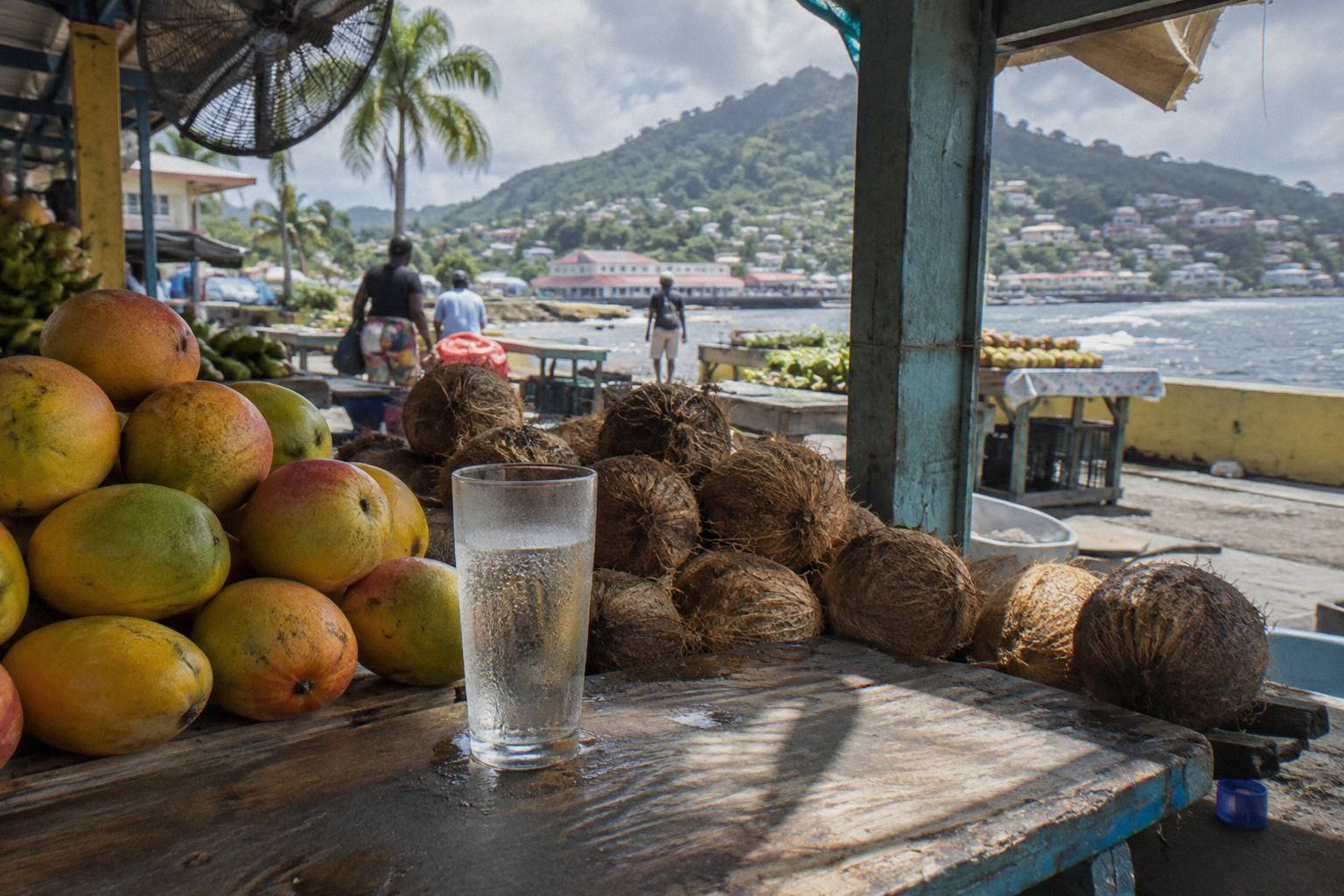
The market itself is a good illustration. Castries Central Market has been open since 1891, operates every day and is busiest on Saturday when farmers come in from all parts of the island. Coconuts are opened on the spot and over 10 local mango types pass through the stalls, so between tastings there are natural, hydrating stops everywhere. The Tourism Authority's market write-up notes that payments run in Eastern Caribbean dollars, most vendors also accept US dollars, and small bills are useful. Water, in other words, is one drink among many on a route already full of them.
That is the planning picture. If a tasting walk with a local guide, a five-stop snack route around Rodney Bay or a Friday street party with a private driver sounds like the shape of your day, these three are a sensible starting set.
Which Tasting Tours Bring Their Own Water?
Several of the tours compared name bottled water as included, and one names water, soda and beer among its complimentary drinks, so on those products your between-stop hydration is handled by the operator. The picture is specific: where water is named, it is part of the booking; where it is not, buy your own before the first tasting. The table lists the products whose details name a drink.
| Tour | What The Booking Names |
|---|---|
| St Lucia Friday Street Party with Private Guide/Transport | Bottled water |
| Rum & Chocolate Tasting Tour: Journey into Flavor | Bottled water; transportation |
| St. Lucia Rum Tour and Chocolate Making Experience | Bottled water; private transportation; hotel and cruise port pickup and drop-off |
| Saint Lucian Cooking Tour at Marigot Bay | Bottled water; lunch; air-conditioned vehicle |
| St Lucia Soufriere Private Chocolate Tour | Bottled water |
| Chocolate Making & Soufriere vibes Tour | Complimentary drinks: water, soda and beer |
Reading that table plainly: an included bottle of water is a convenience, not a hydration plan for a whole day. The Gros Islet party product runs about 3 hours from sunset, with the crowd dancing well past midnight, and one bottle over that stretch in warm evening air is a start rather than a finish. The Soufriere chocolate making product runs 3 to 6 hours, so the same maths applies there too. Budget for a second bottle from a vendor or shop, paid in Eastern Caribbean dollars or, with most vendors, US dollars.
The Friday party run by CHIC HOSPITALITY is a good example of how drinks sit inside a bigger package. Bottled water and a signature rum punch welcome drink are named as included, alongside a private driver and round-trip minivan for your party, with text support before and throughout the night. Food, further beverages and souvenirs at the party itself are excluded, so purchases are your own. It is rated 4.8 from 109 reviews, runs from US$45 per person, carries a minimum age of 18, and pickup covers the northern zone from Cap Estate to Sandals Halcyon per the booking page.
Where a day is built around chocolate rather than street food, the Project Chocolat Tree to Bar Tour at Hotel Chocolat Saint Lucia takes a different approach to refreshment: lunch is named as included alongside the cacao tour and the chocolate making experience, while transportation is excluded, so you make your own way to the Rabot Estate departure point in Soufriere. Water is not the headline on that booking, but a seated lunch inside a 2 to 3 hour experience changes the rhythm of the day. It is rated 4.7 from 587 reviews and runs from US$130 per person with a minimum age of 8.
Is Market Water And Market Ice Something To Worry About?
On the official guidance, no: the tap supply is described as safe, and ice in St Lucia is made from that same supply rather than trucked in from elsewhere. The Tourism Authority makes no distinction between water for drinking and water used in ice or market drinks, so there is no advisory to work around. Bottled drinks are sold widely if you prefer them at stalls, and coconuts are opened fresh on the spot.
The reason this question comes up at all is that Castries Market is a morning experience, and mornings there are built around drinks. Breakfast stalls open from around six, cocoa tea is an island tradition made with freshly ground cocoa sticks and spices such as nutmeg, cinnamon and bay leaf, and fresh juices appear alongside the fruit. The Tourism Authority's market feature walks through the payment habits that matter more than the water question: cash preferred, Eastern Caribbean dollars standard, US dollars accepted by most vendors, small bills useful in the Castries Market feature on the tourism site.
The distillery side of a tasting day has its own single, well-defined rule, and it is about age rather than water. St. Lucia Distillers' visitor tour in the Roseau Valley runs about one hour, with individual visitors Monday to Friday except public holidays and pre-booked groups of 14 or more seven days a week, first tour 9:00 am and last 3:00 pm. Everyone is invited to tour, but only adults 18 and older may taste on the St. Lucia Distillers visit page. On a rum day, water between tastings is standard practice, and a tour that includes hotel pickup spares you the walk.
The St Lucia Rum Tasting and Tour by Barefoot Holidays fits that pattern: rum tastings, a local guide, entry to a St. Lucia rum distillery, a Castries Market stop and hotel pickup and drop-off for north island hotels are all named as included, with the product running 3 hours 30 minutes from US$90 per person and a minimum age of 18. It carries a 4.3 rating from 96 reviews.
What Does Heat Do To A Tasting Day?
Average temperatures across the year run 23 to 31 C, and the rainy season from June to December brings showers that are usually brief, so a tasting day is a warm-weather day in every month. The practical consequences are simple: drink steadily rather than in bursts, use the shaded stops a market or food walk naturally provides, and treat an air-conditioned vehicle as part of the plan on island-wide days.
| Hot-Day Fact | What It Means For Planning |
|---|---|
| Average temperature 23 to 31 C | Steady fluids across the whole day, not one bottle at the start |
| Rainy season June to December, showers usually brief | A short shower rarely ends a walk; stalls and vehicles provide cover |
| Driest, busiest season December to April | Book ahead in these months; the island is at its fullest |
| Hurricane season June 1 to November 30 | Overlaps the rainy season; the island's Holiday Guarantee allows cancellation or rescheduling before arrival in the event of a hurricane |
| Main cruise season October to April | Port days, up to five ships, add crowds at Castries stops |
| Breakfast stalls from around six | The coolest part of a market morning comes first |
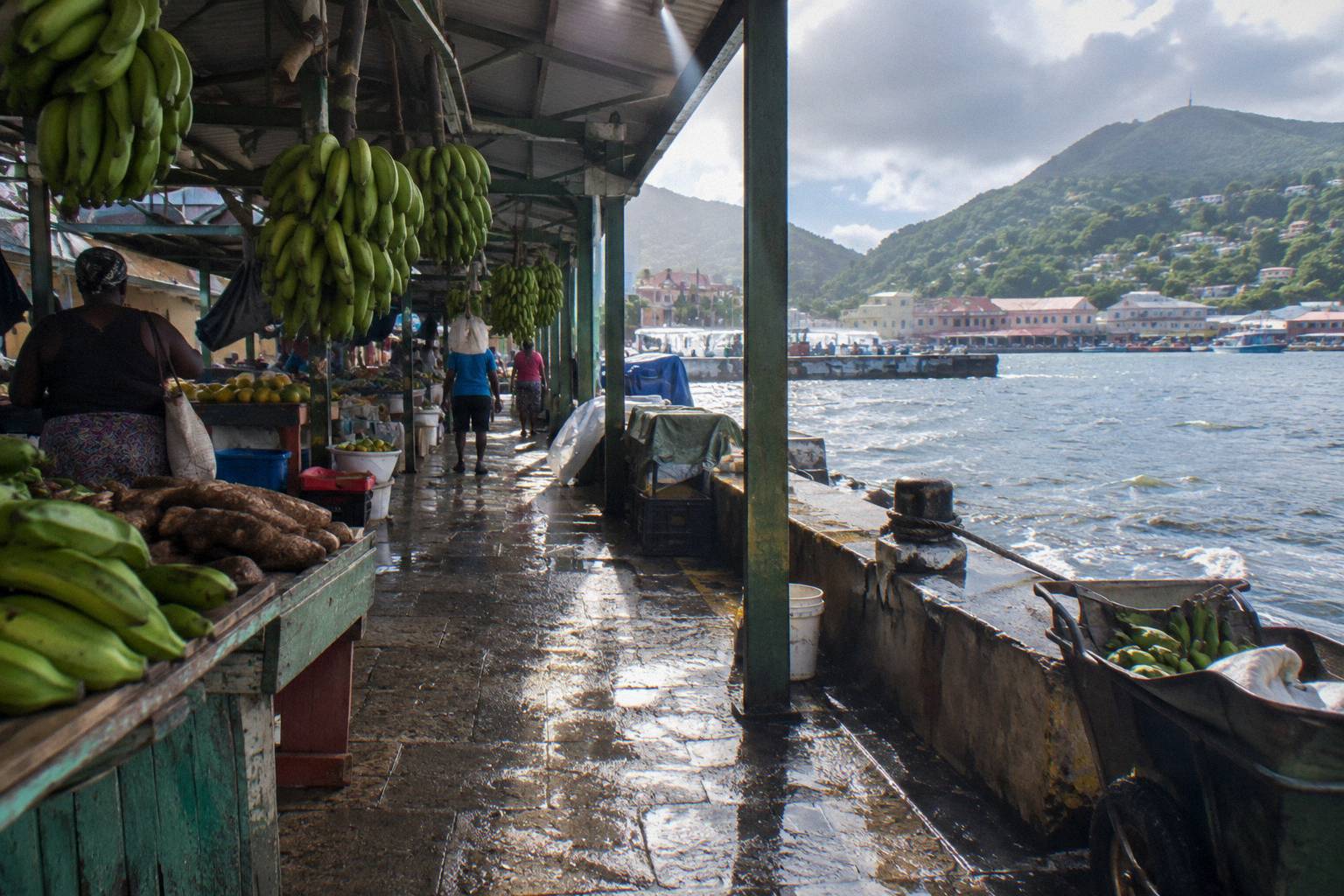
The December to April window deserves a note because it doubles as the dry season and the busy season. The same months bring the main cruise season, October to April, and the Castries port can see up to five ships in a single day across its two complexes, Pointe Seraphine and La Place Carenage, with water taxis running between them per the ports authority's cruise and ferry page. A market morning in those months is warmer with bodies and better with atmosphere, and it rewards an early start, since the stalls open from around six and Saturday is the liveliest day of the week.
Long island-wide days are where the heat matters most. The St. Lucia Food and Rum Tour by The Other Tour St. Lucia runs 4 to 6 hours from US$205 per person, includes a local breakfast and lunch, an air-conditioned vehicle, alcoholic beverages, local snacks and a live cashew roasting stop, and offers free pickup to all locations in St Lucia per the booking page. It is rated 5.0 from 243 reviews with a minimum age of 5. On a product like that, water is less something to carry and more something the day provides between its included meals.
Shorter walks shift the maths back toward self-supply. The Rodney Bay Food Tour by LUCIAN FOOD TOURS runs 2 to 3 hours from US$74 per person across five stops of food tastings, with homemade spice rum and other local favourites for guests 18 and older, and no private transportation included. It carries a 5 rating from 110 reviews with no minimum age. Meeting on site in Rodney Bay means buying your bottle before the first stop, and the walk between stops does the rest of the planning for you. For more on the route itself, see the Rodney Bay walking tasting route stop by stop.
What About Water At Night: Gros Islet And Fish Fries?
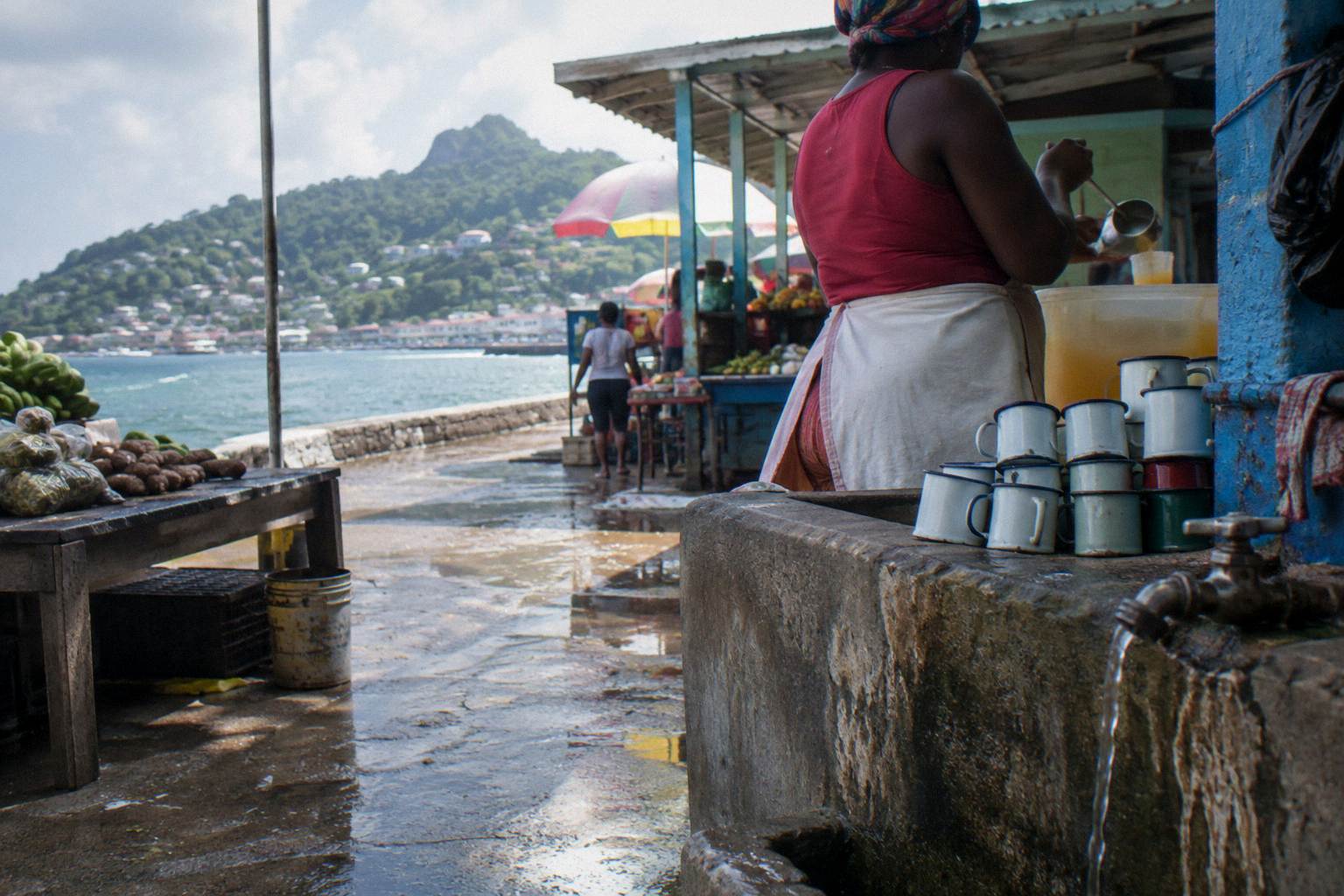
The Gros Islet Friday Night Street Party runs from sunset, with the crowd dancing well past midnight, so an evening food outing is a long stretch without a natural water source unless you plan one. Street food is served by vendors at the event, and purchases are your own on tours where food is excluded. Bottled drinks are sold at such events as a matter of course; carrying water in means starting the night ahead rather than catching up.
The Friday party is a genuine weekly institution: it has taken place every week for more than 50 years, with sound systems, grilled chicken, pork and the day's catch served with bakes and green fig salad on the tourism authority's Gros Islet page. A guided product such as the Friday party tour with private driver covers transport, orientation to the event layout, bottled water and a welcome rum punch, leaving food, further drinks and souvenirs as purchases you make yourself. The evening version of the water question is therefore about pacing: rum punch at the start, water through the middle, and the driver handling the road home.
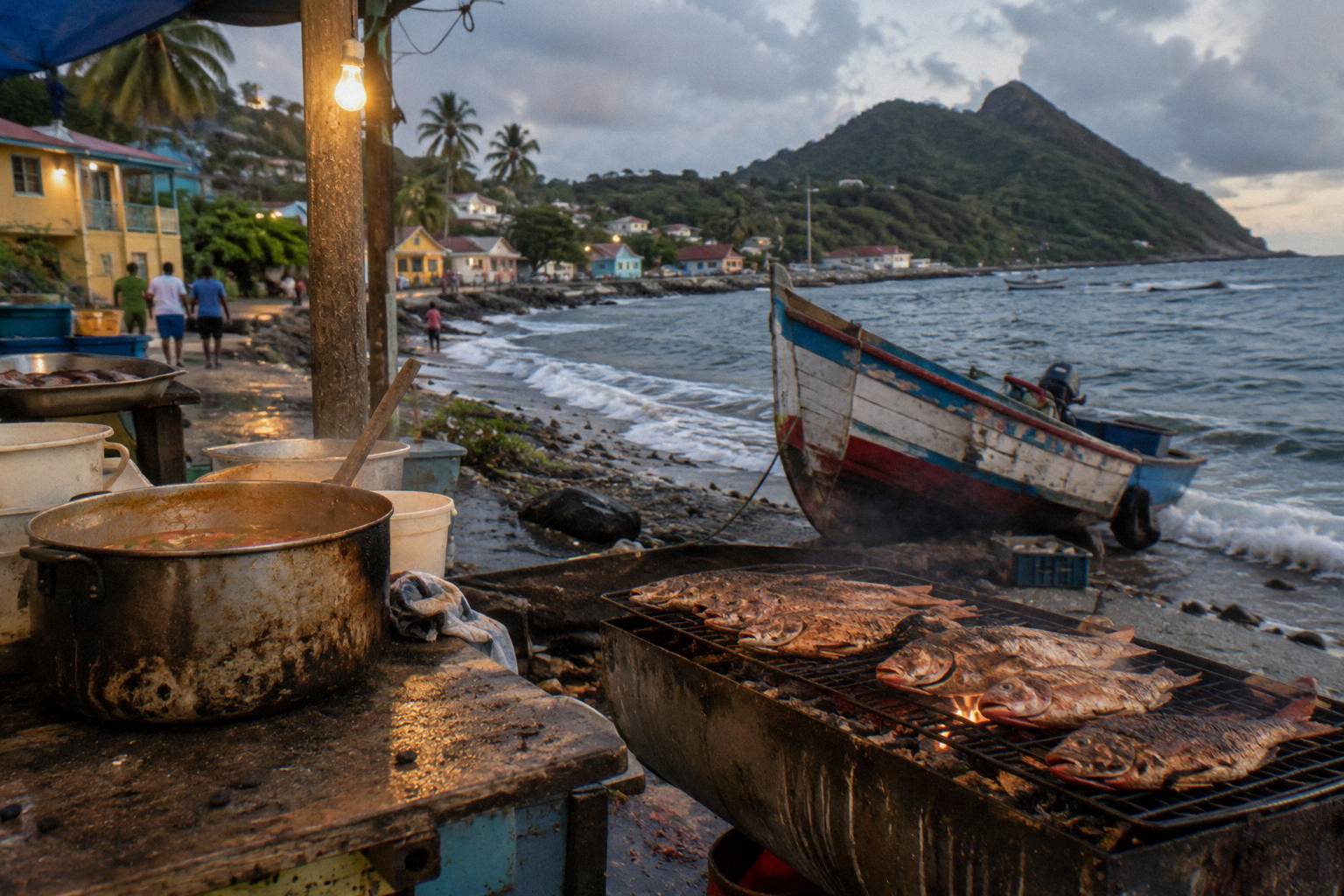
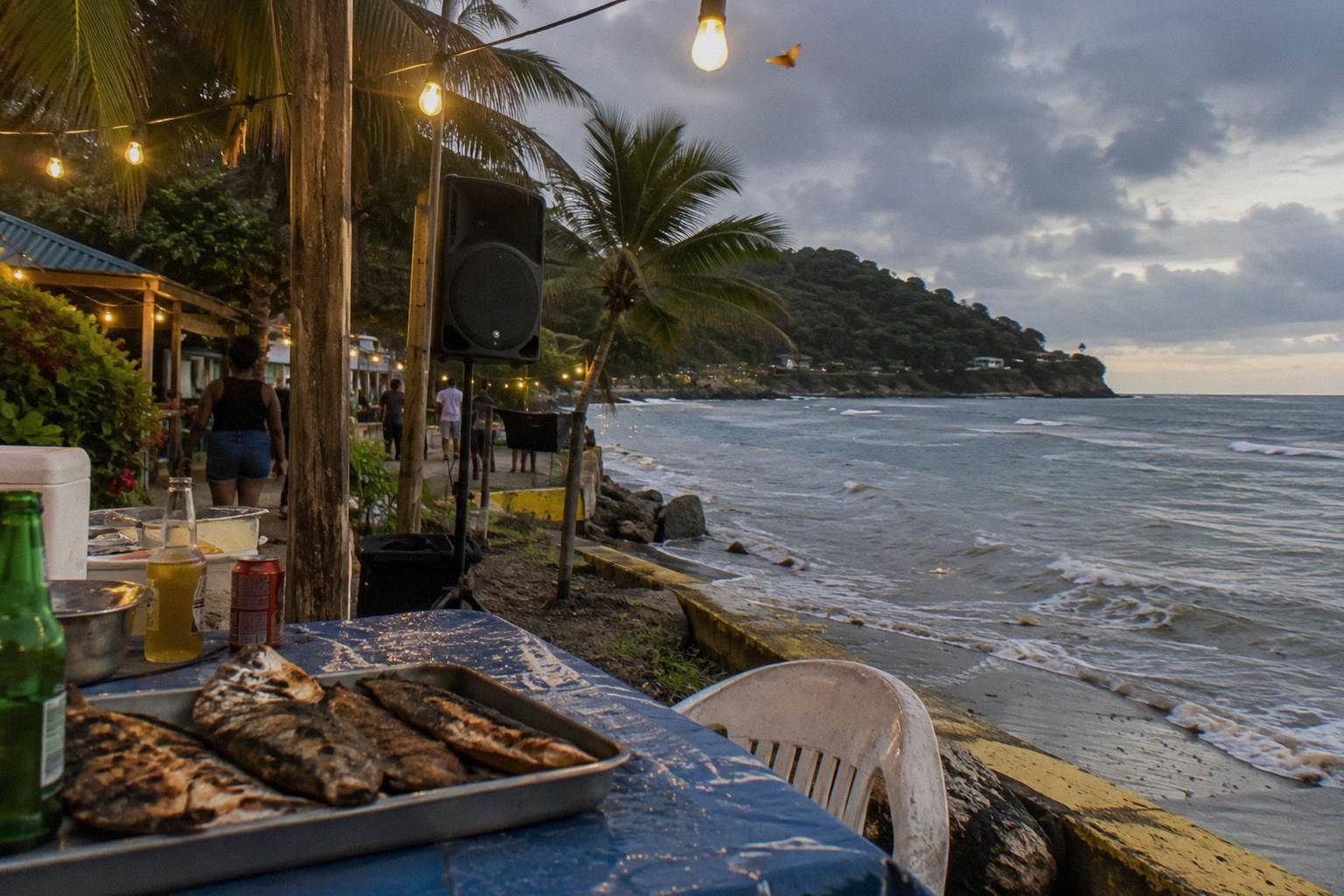
The fishing village fish fries work differently, and the Tourism Authority itself tells you to check before going. Anse La Raye holds a waterfront fish fry on Friday evenings with grilled seafood and Creole dishes, but the guidance is to ask locally before you go, as the schedule can vary. The weekend rhythm the authority describes runs Friday night in the fishing villages, Saturday early at the market, and Sunday church, family lunch and the beach, with a Saturday evening community lime on the Dennery waterfront where seafood vendors set up beside rum shops. A full Friday-to-Sunday food weekend is absolutely possible; it just needs water planned into each leg rather than assumed. The Friday fish fry guide for Anse La Raye covers that evening in detail.
Alcohol is the reason night planning matters. Rum is woven through the island's food experiences, from homemade spice rum on the Rodney Bay walk to infused rum mixes on the shared small-group food and rum tasting around Rodney Bay, which includes a 15-minute session sampling infused local rum mixes and 4 to 5 local dishes over 3 hours from US$95 per person, minimum age 12, with hotel pickup available if the transportation option is selected. Water beside the rum is the oldest pairing on the island, and it costs almost nothing.
How Does The Water Question Change With A Cooking Class?
On a cooking class day, the water question mostly dissolves, because food and drink preparation is the activity itself and the tour descriptions name what is provided. The Flavors of St Lucia Culinary Experience includes food and drinks alongside a professional chef, a cooking demonstration and hotel or port pickup; the Marigot Bay cooking tour names bottled water and lunch. You are indoors or under shade for much of it, with the vehicle air-conditioned between stops.
Cooking classes also place water in its most welcome context: the meal you cooked. The Tourism Authority describes Creole cooking classes as covering dishes like green fig and saltfish, callaloo soup, fried plantains, fresh-caught fish and local cocoa desserts, with many classes beginning at a market or garden visit on the tourism authority's cooking classes page. The Flavors of St Lucia Culinary Experience by Barefoot Holidays follows that shape from a farm base with hotel and port pickup for northern hotels, rated 4.8 from 43 reviews, from US$130 per person, 3 hours, minimum age 2. Water and other drinks arrive with the food you made.
The cocoa side of the island has its own traditional drink, and it predates bottling by centuries. Cocoa has been grown in St Lucia since its arrival in the 1660s, and cocoa tea made from freshly ground cocoa sticks with nutmeg, cinnamon and bay leaf remains an island tradition per the FAO story on cocoa in Saint Lucia. A Soufriere day built around chocolate can pair that heritage with the tropical fruit farm tasting run by The Signature Travel Group in Soufriere, 2 hours from US$79 per person with fresh fruit named as included and local beer available to purchase.
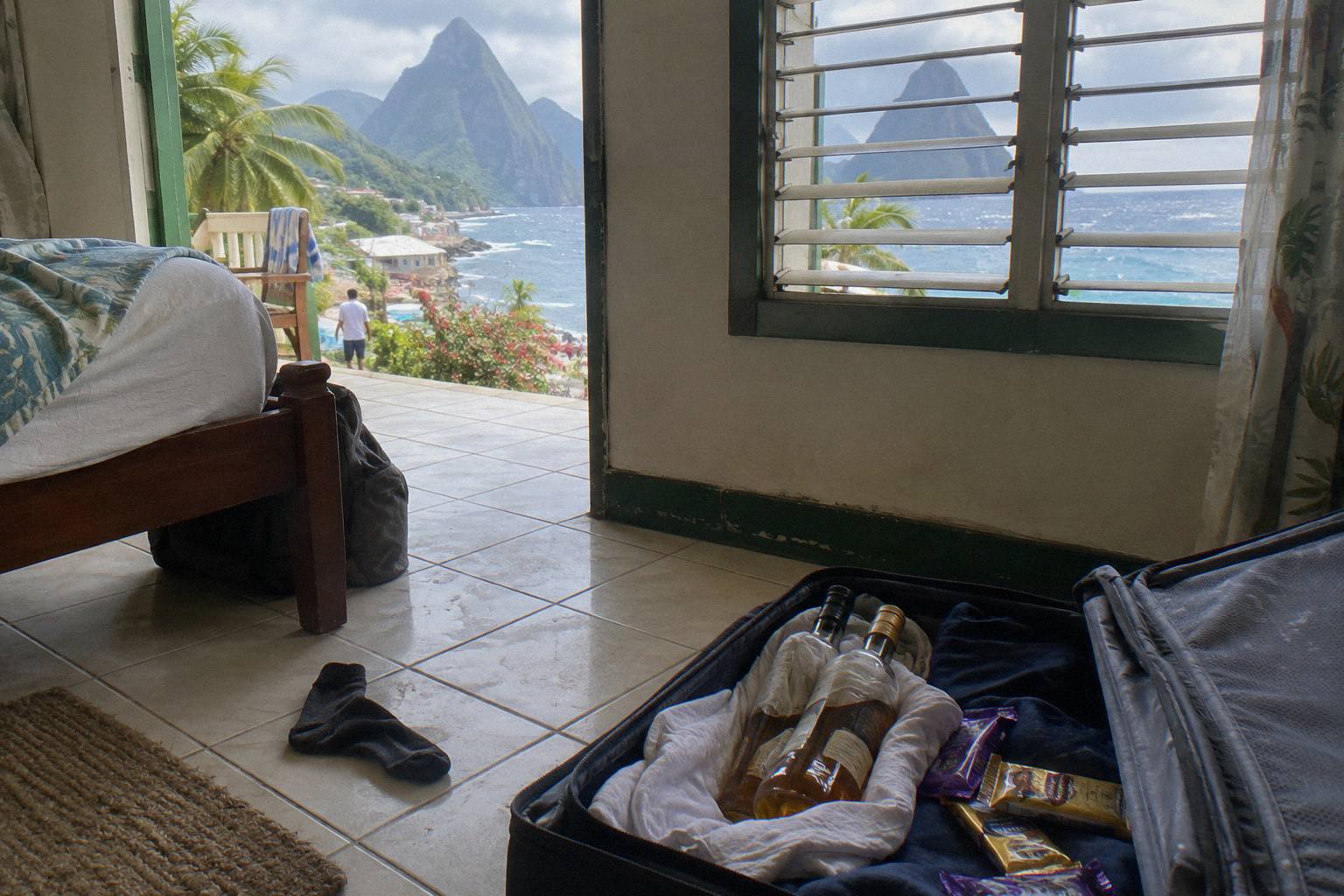
The broaderSoufriere picture, from the oldest working cacao farm at Rabot Estate to the fruit farms of the valley, is laid out in the Soufriere tasting day guide. What unifies these days is that the drinks come with the territory: fruit, cocoa tea, coconut water from nuts opened in front of you. The tap water question fades because the answer keeps arriving in tastier forms.
What Trips People Up Before You Book
The three recurring mistakes are treating an included bottle as a full day's supply, ignoring the clock built into island food culture, and assuming every tour handles drinks the same way. The tours compared are explicit about inclusions, so read the drinks line on the product you are actually booking. And remember the season: December to April is the busiest, with prices varying by date and group.
The first mistake is arithmetic. A 3-hour evening party or a 6-hour Soufriere day in 23 to 31 C heat needs more than one small bottle, and only some products name water at all. The second is timing. Saturday is the busiest market day, breakfast stalls open from around six, and the Friday party runs from sunset well past midnight, so a tasting day that ignores those rhythms either misses the atmosphere or meets it exhausted and under-watered. The third is generalising. The Island Drive product includes meals, snacks and alcoholic beverages; the bar and food hopping product excludes drinks and food at the stops you pay for yourself. Same island, opposite structures.
A fourth, quieter mistake is assuming drinks are complicated. They are not. Tap water is safe from the tap on the official guidance, bottled water is sold everywhere, coconuts are opened on the spot at the market, and tipping is customary at about 10% to 12% of bills, not added automatically. Carry small bills, drink before you are thirsty, and let the included bottles be a bonus rather than a plan. The guide to what tastings cost in St Lucia handles the money side of that planning.
Every product compared here allows free cancellation up to 24 hours before start, so a weather wobble or a changed plan does not strand the booking. Whether a market morning, a Rodney Bay snack walk or a Friday night out is the shape of the day, checking the live price and dates on the operator's own page is the last step before committing, and St Lucia Food Tour keeps the full set of tasting experiences in one place.
Common Questions About Drinking Water On A Tasting Day
Can You Drink The Tap Water In St Lucia On A Tasting Day?
Yes. The Tourism Authority's travel tips state that drinking water is safe from the tap and that bottled mineral or distilled water is also available. The statement is island-wide, so it applies in Castries, Rodney Bay, Soufriere and Gros Islet alike. On a warm tasting day, drink steadily regardless of source, since average temperatures run 23 to 31 C.
Do The Tasting Tours Include Bottled Water?
Some do and some do not. Bottled water is named as included on the Friday Street Party with Private Guide/Transport, the Rum & Chocolate Tasting Tour, the Rum Tour and Chocolate Making Experience, the Marigot Bay cooking tour and the Private Chocolate Tour. The Chocolate Making & Soufriere vibes Tour names water, soda and beer among its complimentary drinks. Check the product you are booking for its own inclusions.
Is Ice In Drinks Safe In St Lucia?
The official guidance makes no distinction between drinking water and the water used for ice, and issues no separate ice advisory. If you prefer to avoid ice, bottled drinks and fresh coconuts opened on the spot are widely available at the market and from vendors.
How Much Water Should You Carry On A Hot Day?
There is no official figure to quote. The practical approach on a 23 to 31 C day is steady drinking across the walk rather than one bottle at the start, plus using the included water on tours that name it and buying more at market stalls or shops, where cash in Eastern Caribbean dollars or small US bills works best.
Does The Rainy Season Change The Water Advice?
No. The rainy season runs June to December with showers that are usually brief, and the tap-water statement stands year round. The season does overlap hurricane season, June 1 to November 30, and the island's Holiday Guarantee lets a trip be cancelled or rescheduled before arrival at no cost in the event of a hurricane.
What About Water On A Rum Tasting Day?
Water beside the rum is standard practice and easy to arrange. Tours that include rum, from the distillery visit with Barefoot Holidays to the Rodney Bay food and rum tastings, either include bottled water or pass through shops and stalls. At the St. Lucia Distillers visitor tour itself, everyone may tour but only adults 18 and older may taste.