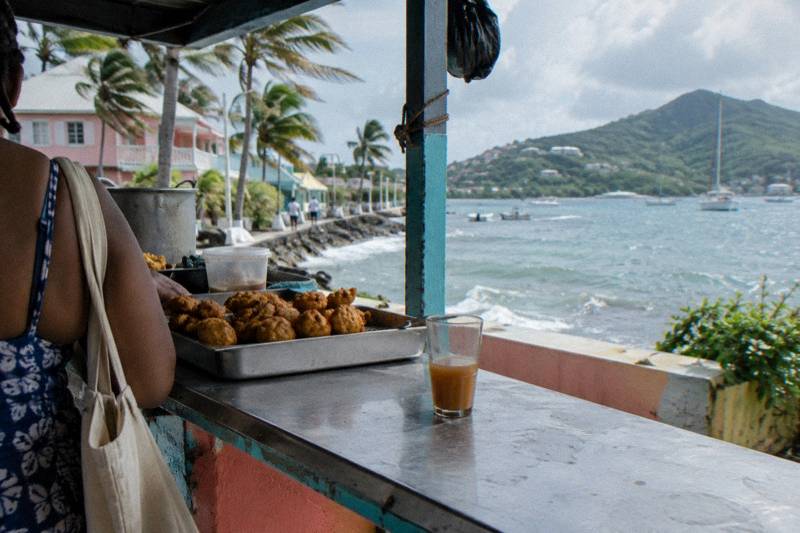
How Much Should You Tip On A Tasting Tour In St Lucia?
Tipping on St Lucia tasting tours: the customary 10 to 12 percent range, which tours compared here name gratuities as excluded, and how US dollars and Eastern Caribbean dollars work on the day.
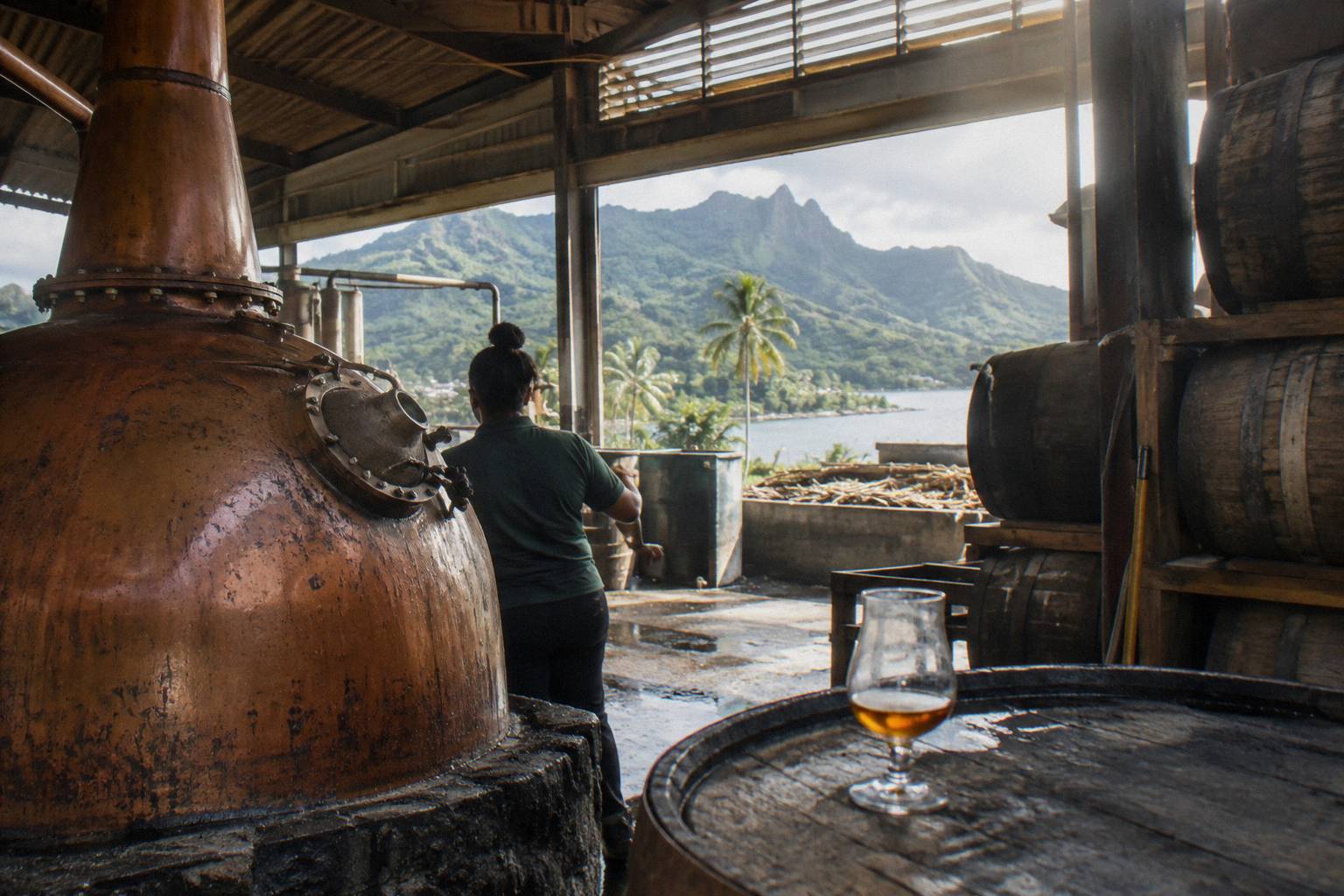
Rum and chocolate experiences are the category where the tipping question comes up most often, because a guide drives you, pours for you and walks you through the island's distilling history in a single afternoon. Start with the rum and chocolate tasting tours overview to see what a day of tastings costs before the tip, then read on for the custom itself.
| Fact | Detail |
|---|---|
| Customary tipping range | About 10 to 12 percent of a bill, per the Saint Lucia Tourism Authority |
| Automatic service charge | None for tips: tipping is not added automatically |
| Hotel and restaurant bills | 10% VAT and 10% service charge, sometimes already in quoted prices |
| Who accepts tips | Taxis, tour guides and others, per the Tourism Authority |
| Currency | Eastern Caribbean dollar, pegged at EC$2.70 per US$1 |
| US cash | Widely accepted, change often given in EC$ |
| Tours naming gratuities excluded | Three of the tours compared, listed below |
The working convention is about 10 to 12 percent of the tour price, given in cash at the end, because tipping is not added automatically in Saint Lucia and tour guides are among the people the Tourism Authority names as accepting tips. That range is a custom for bills rather than a rule, so a lower or higher amount stays your call. Guides on rum, chocolate and food tastings are tipped the same way island-wide.
The Tourism Authority's guidance is the anchor for everything else: tips are customary at about 10 to 12 percent of bills, they are accepted by taxis, tour guides and others, and they are never added to a bill for you. That last part matters more than the number. In some destinations a service charge quietly covers the guide; in Saint Lucia the service charge line belongs to hotel and restaurant billing, where 10% VAT and a 10% service charge apply and are sometimes already folded into quoted prices. A tasting tour is neither a hotel nor a restaurant, so nothing arrives on the receipt for the guide.
What that leaves is a direct, cash transaction between you and the person who ran the day. On a private tasting drive around the island, the guide is with you for hours, arranges the stops and often handles the logistics of pickups and drop-offs. On a shared distillery or chocolate session, the guide rotates between several small groups and the tip recognises that attention. The percentage range stays the same in both cases; the feel of the day usually tells you where in the range to land.
One habit worth forming before you fly: decide that the tip is part of the budget, not an afterthought at the end of a long, hot afternoon. If a tour is from US$90 per person and you travel as a couple, the tip math is simple multiplication on a figure you already know, and small US bills make it easy to hand over without scrambling for change. Prices vary by date and group, and the booking page shows the price for the date you choose, so run the percentage on whatever you actually paid rather than a round number from an article.
Where The 10 To 12 Percent Custom Comes From
The same guidance page carries the three money facts that surround every tipping decision on the island. First, hotel and restaurant bills carry 10% VAT and a 10% service charge, and those charges are sometimes already included in quoted prices, which is why a restaurant total can look higher than the menu suggested. Second, tipping itself is separate from that machinery: it is not added automatically and remains your decision. Third, the customary amount when you do tip is about 10 to 12 percent of the bill. You can read the currency, service charge and tipping detail on the Saint Lucia tourism travel tips page, and the same body covers cash habits on the currency, cards and tipping blog.
For a tasting tour, the practical reading is this: the guide's tip sits outside any service charge you saw at dinner the night before. A restaurant may have already charged you a service line; the guide who walks you through cacao grafting or pours your rum samples has not. Visitors who assume the two systems are connected often undertip on tours for exactly that reason, thinking something was already taken care of.
The percentage also scales with the kind of day you had rather than the kind of tour you booked. A market walk of an hour and a half and a full island drive are both tipped from the same customary range, but the absolute amounts differ simply because the prices differ. Nothing in the island's guidance sets a flat fee per tour, per couple or per hour, and no such figure appears anywhere in official material.
Wondering whether to lock in a rum tasting before you land? The do you need to book rum and chocolate tastings ahead question is worth settling early, since the tour you book is the one you will be tipping on.
Which Tours Name Gratuities As Excluded
Three bookable products state on their own tour lines that gratuities are excluded from the price: the St Lucia Rum Tasting and Tour, the Flavors of St Lucia Culinary Experience, and the St. Lucia Rum Tour and Chocolate Making Experience. Every other tasting product simply says nothing about gratuities either way, and silence is not a promise of inclusion, so plan a cash tip regardless of which one you book.
The exclusion line is useful precisely because it is rare. When an operator writes gratuities into the excluded column, the price you paid covers entry, transport, food and the guide's fee, and the tip is a separate cash moment at the end. When a product is silent, the safest planning assumption is the same: budget the customary range in cash and hand it over if the day earned it. Reading silence as "the tip is included" is the single most common way visitors get caught out.
| Product | Operator | Gratuities named |
|---|---|---|
| St Lucia Rum Tasting and Tour | Barefoot Holidays | Excluded, stated on the product line |
| Flavors of St Lucia Culinary Experience | Barefoot Holidays | Excluded, stated on the product line |
| St. Lucia Rum Tour and Chocolate Making Experience | Tour For The Day | Excluded, stated on the product line |
The related tour is the Distillery Rum Tour with pickup, a shared 3 hour 30 minute experience from US$90 per person that includes distillery entry, rum tastings, a Castries market stop and hotel pickup and drop-off for north island hotels, with Distillery Rum Tour, Pickup showing the dates near your trip. Gratuities are excluded on that line too, so a cash tip at the end of the drive is the convention to plan for. Its rating stands at 4.3 from 96 reviews, a pool large enough to read as a real signal.
The same logic travels to cooking days. A chef-led demonstration with food and drinks included is still a guided service, and the tour listing for that product puts gratuities firmly outside the price. If a cooking format is what your trip needs, the cooking class options in St Lucia guide lays out the formats side by side before you commit.
Tipping In US Dollars Or Eastern Caribbean Dollars
Both currencies work, because the Eastern Caribbean dollar is pegged at EC$2.70 per US$1 and US cash is widely accepted across Saint Lucia, with change often given in EC$. The Tourism Authority's market guidance adds that cash is preferred and small bills are useful, which makes a small stack of US notes the most practical tipping currency a visitor can carry.
The peg removes almost all of the mental arithmetic. A fixed rate of EC$2.70 to one US dollar means a tip handed over in US dollars is easy for a guide to use, and a tip handed over in EC dollars works just as well, since the guide can convert between the two at a glance from daily practice. Vendors and guides handle both daily. What the peg does not do is convert tour prices: those are set in US dollars per person on the booking page, and the percentage you tip should be run on the dollar figure you actually paid.
Small bills matter more than currency choice. The Tourism Authority's market guidance notes that payments run in Eastern Caribbean dollars with most vendors also taking US dollars, cash preferred, and small bills useful. That advice transfers directly to tipping: a guide who receives a single large note at the end of a long day may not be able to break it, and the moment gets awkward for everyone. Arriving with fives and tens, in either currency, solves the problem before it starts.
Card payments deserve one caution. Nothing in official guidance promises that a tasting guide can take a card tip, and the island's own cash-preferred framing suggests the opposite. Assume the tip is a cash transaction and you will never be caught out; if a card option exists, it is a bonus rather than a plan. This is also the reason to sort your cash before the tour starts, not during the last stop when the group is dispersing.
For a sense of where else those small bills go on a food-focused day, the what tastings cost in St Lucia guide puts the spending in context around the island.
Service Charges, VAT And Restaurant Bills Compared With Tour Tips
Hotel and restaurant bills in Saint Lucia carry 10% VAT and a 10% service charge, sometimes already built into quoted prices, while tasting tours carry neither: tips on tours are entirely voluntary, never automatic, and guided by the customary 10 to 12 percent range. The two systems look similar but work differently, and mixing them up is the fastest way to tip the wrong amount twice or not at all.
The comparison is easiest to see side by side. A restaurant bill may already include a service line that covers the floor staff, so an extra tip is genuinely optional on top of it. A tour receipt has no such line. The guide's gratuity is the only gratuity in the transaction, which is why the Tourism Authority's customary range gets applied to the full tour price when visitors tip well.
| Situation | What is added automatically | What you decide |
|---|---|---|
| Hotel and restaurant bill | 10% VAT and 10% service charge, sometimes already in quoted prices | Anything beyond the service charge, at your discretion |
| Tasting tour with a guide | Nothing | The customary 10 to 12 percent range, in cash |
| Taxi ride | Nothing | A tip in the customary range, taxis named as accepting tips |
| Market snack purchase | Nothing | No tip custom applies to market vendors in official guidance |
One pattern in that table is worth pausing on: the only place where money is added for you is the hotel and restaurant billing system. Everywhere else on a food day in Saint Lucia, the amount that leaves your pocket beyond the stated price is your decision alone. That is a pleasant system for visitors who like control and a trap for visitors who assume everything is handled.
It also explains why the same physical afternoon can involve two different tipping decisions. A tasting drive that stops for a roadside snack involves no tip at the snack stand, then a cash tip for the guide at drop-off. A cooking experience that serves lunch involves the tour tip for the chef and team, and nothing further on the food itself, since the meal is part of the product. Keeping the categories straight in your head keeps the cash in the right hands.
Tipping A Private Guide Versus A Shared Group Tour
The customary range does not change between formats: about 10 to 12 percent applies whether the guide is driving your party alone or leading a shared group. What changes is who hands over the money, since a private group typically pools one tip from the whole party while a shared tour leaves each couple or traveller to tip individually for the same guide.
Private formats dominate the island's food experiences, and the tours compared here reflect that with private options across drives, market walks and chocolate days. On a private day the tip calculation is simplest: the percentage runs on the price you paid for the party, one person hands it over, and the guide receives a single clear amount. On a shared format the guide splits attention across several parties, each of whom tips separately, and the guide's total reflects the sum of those individual decisions rather than one group choice.
The duration spread is wide enough to matter to your budget. Tasting products on the island run from an hour and a half to a full day, and the customary percentage applied to those different prices naturally produces different tip amounts. The long private drives, such as a 6 to 10 hour northern island day or a 4 to 6 hour island-wide food and rum experience, are the ones where the tip deserves a line in the budget next to the price itself, simply because the percentage lands on a bigger figure.
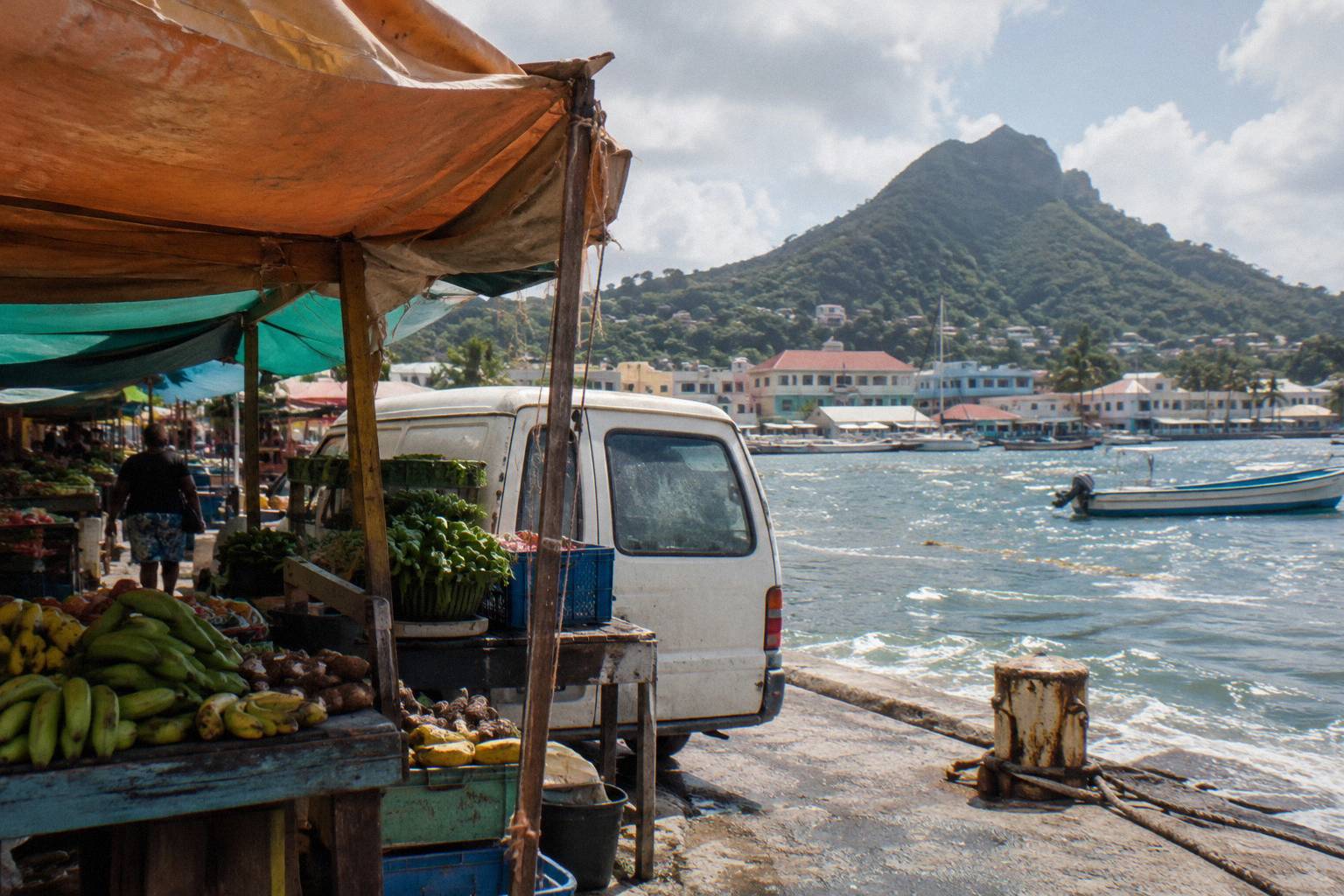
A shared market walk works the same way in miniature. The Castries Market Walking Food Tour by LUCIAN FOOD TOURS is a private 2 hour 30 minute format from US$85 per person with samples and a guide included, rated 4.9 from 33 reviews, and it earns its tip the way any guided experience does: through the guide's knowledge and pacing across the morning. See dates and the current price for your group before you plan the cash.
Age and group composition rarely change the tipping math but can change the day. Products carry minimum ages from 0 on the family-friendly walks up to 18 on the rum-focused formats, mirroring the distillery's own rule that only adults 18 and older may taste. A family market walk tips on the same customary range as a couples' rum afternoon; the guide's job is different, the convention is not.
What Trips People Up Before You Book
Three mistakes account for most tipping trouble on St Lucia tasting days: assuming a silent line in the details means the gratuity is included, doubling up on a restaurant-style service charge that does not exist on tours, and arriving with no small cash after a day built on cash-preferred market stops. Each one is avoidable with a decision made before the tour starts rather than in the van at drop-off.
The first mistake is the silence trap. Only three products state gratuities as excluded; the rest simply say nothing, and visitors fill that silence with hope. The safe planning rule treats every guided tasting as a tip-expected service and lets you skip the tip only if the day genuinely fell short. Reading an unmarked product as all-inclusive is how guides end the day with nothing through no fault of their own.
The second is the double-count. You pay 10% VAT and a 10% service charge on hotel and restaurant bills, sometimes already in the quoted prices, and it is easy to carry that mental model onto a tour and assume the guide is covered. Tours have no such charge. If you tipped at dinner on autopilot and then skipped the guide on the same reasoning, the money went to the wrong half of the island's service economy.
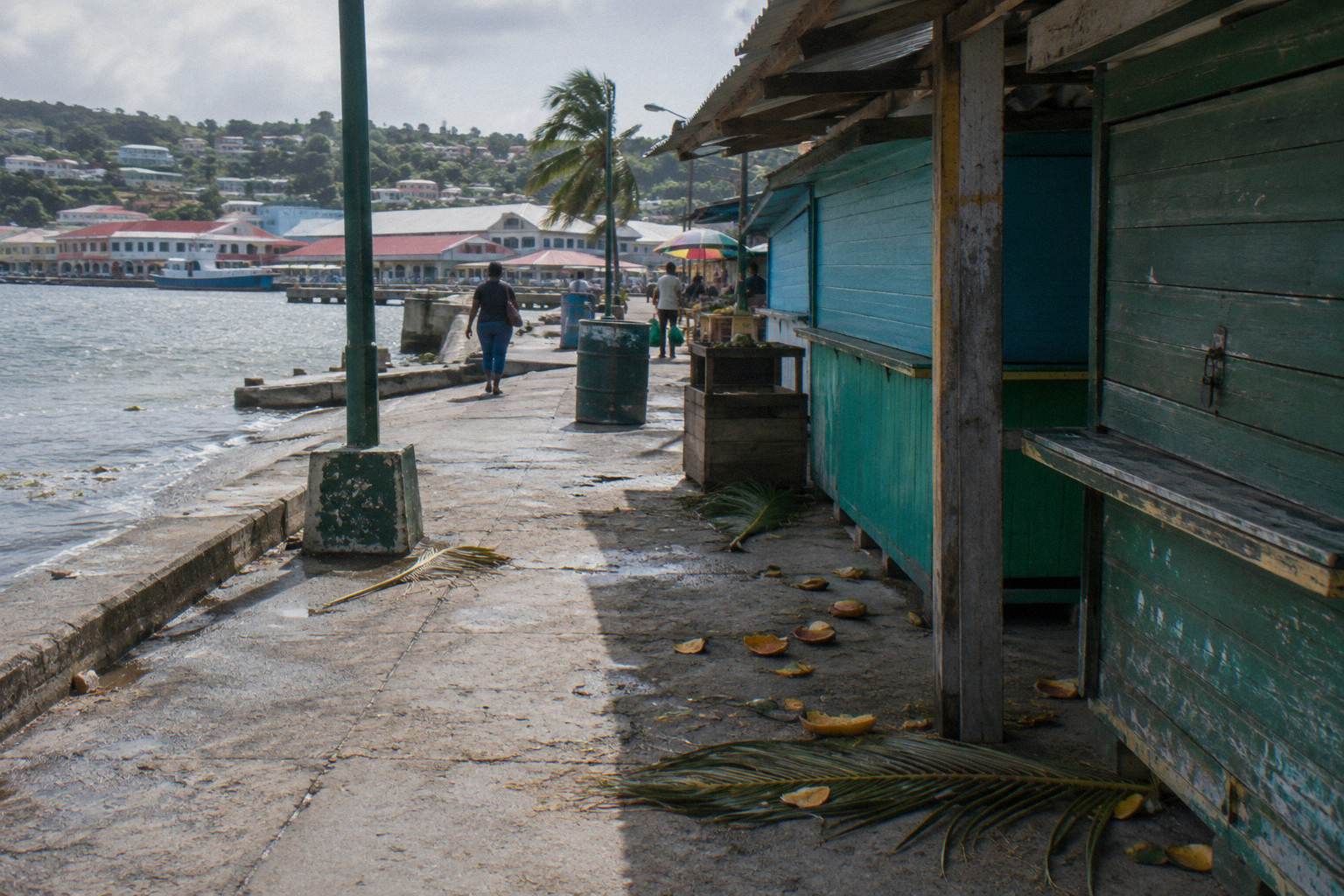
The third is cash logistics. The market guidance is blunt that cash is preferred and small bills are useful, and the same applies to the moment a tour ends. Break your notes at the hotel, keep the tip separate from your souvenir money, and hand it over directly rather than leaving it on a seat. Tipping is customary, not compulsory, and a direct handoff with a word of thanks is the normal form on the island.
A useful pre-booking read on the spending picture around the island is the is it expensive to eat out in St Lucia post, which sets the restaurant side of the budget against the tour side. And if timing your cash needs to the whole trip is the worry, the tipping question sits inside a wider money plan that starts with what a tasting day costs in the first place, which is where St Lucia Food Tour aims to help.
Common Questions About Tipping On Tastings In St Lucia
How Much Should You Tip On A Tasting Tour In St Lucia?
About 10 to 12 percent of the tour price is the customary range, per the Tourism Authority's guidance that tips run at that share of a bill and are accepted by tour guides. Tipping is not added automatically, so the amount and the moment are yours to decide, in cash, at the end of the day.
Is A Service Charge Already Included In The Tour Price?
The 10% service charge belongs to hotel and restaurant billing, sometimes already in quoted prices. Tasting tours do not carry it, and no tour product adds a gratuity to your bill automatically. Plan on a separate cash tip for the guide.
Which Tours Say Gratuities Are Excluded?
Three products state it: the St Lucia Rum Tasting and Tour, the Flavors of St Lucia Culinary Experience, and the St. Lucia Rum Tour and Chocolate Making Experience. Every other product is silent on gratuities, and silence does not mean the tip is included.
Can You Tip In US Dollars?
Yes. US currency is widely accepted in Saint Lucia, the Eastern Caribbean dollar is pegged at EC$2.70 per US$1, and change is often given in EC$. Small bills in either currency are the practical choice, since cash is preferred across the island's markets and service moments.
Do You Tip Market Vendors Or Food Stall Holders?
No tipping custom for market vendors appears in official guidance. The customary 10 to 12 percent range applies to bills for services such as taxis and tour guides. Pay the stall price, and save the tip for the guide who ran your day.
Do You Tip The Same On A Shared Tour As A Private One?
The customary range is the same. On a private format one tip from the party is normal; on a shared format each couple or traveller tips individually. Run the percentage on the price you actually paid for your own booking.