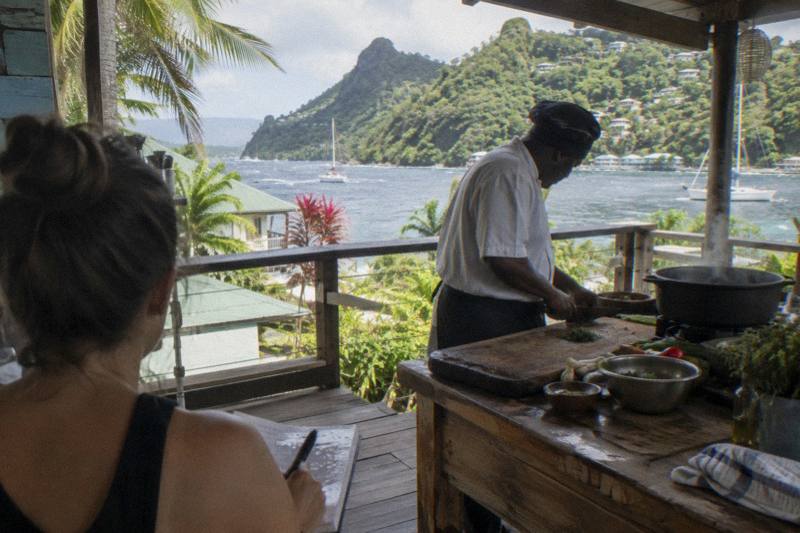
Green Fig And Saltfish: The National Dish And Where Tours Serve It
Green fig and saltfish is Saint Lucia's national dish, and it is also the island's most misunderstood menu item, because the fig is a banana and the saltfish arrives as a cooked, seasoned plate rather than a cured filet on its own.
Short answer
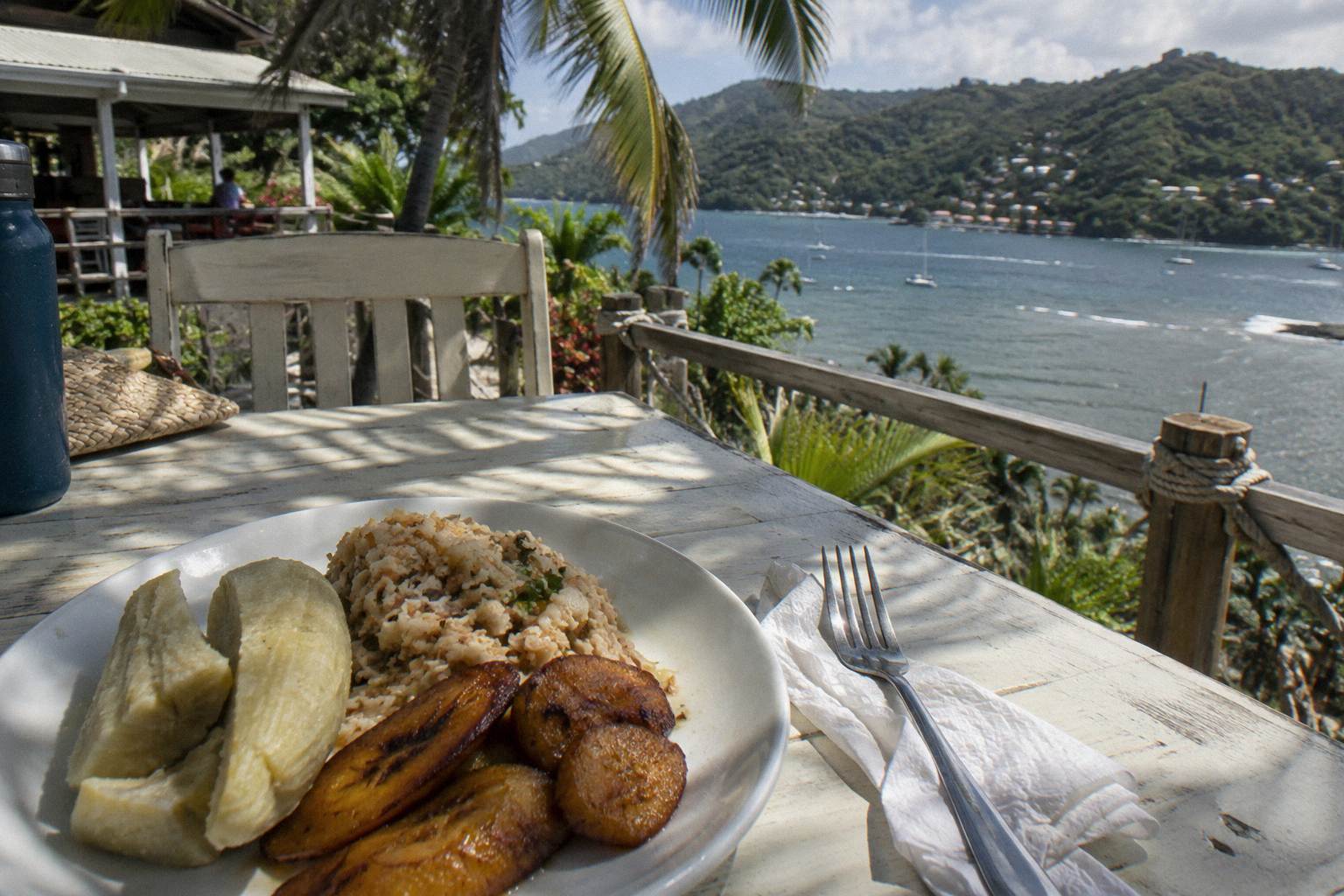
Green fig and saltfish is the national dish of Saint Lucia: unripe green bananas, called figs locally, boiled and served with salt-cured cod cooked with herbs and spices, usually with fried plantains, callaloo soup or breadfruit. It is taught in Creole cooking classes across the island, and several tours include a full meal where you can ask the operator whether it is on the plate.
Ordering food in Saint Lucia rewards a little vocabulary. The island's guided tasting walks are built around exactly that: a guide who translates the market stalls, the roadside stands and the menu shorthand that separates a visitor's first plate from a local's regular one. What follows is about the single most important item in that vocabulary, green fig and saltfish, the national dish, and about how to put yourself in front of it, whether at a market stall, a Friday night street party or a tour whose line includes a full meal.
| Fact | Detail |
|---|---|
| The national dish | Green fig and saltfish, per the Saint Lucia Tourism Authority |
| What the "fig" is | An unripe green banana, boiled and served as the starch |
| The saltfish | Salt-cured cod, cooked with herbs and spices |
| Usual company | Fried plantains, callaloo soup or breadfruit |
| Who teaches it | Creole cooking classes across the island, many starting at a market or garden |
| Where its ingredients are sold | Castries Central Market, open since 1891, busiest on Saturday |
| Local currency | Eastern Caribbean dollar, linked at EC$2.70 per US$1 |
What Is Green Fig And Saltfish?
Green fig and saltfish pairs two ingredients that sound like a contradiction: a banana that is not sweet and a cod that is not fresh. Green fig is the Caribbean term for an unripe banana, firm and starchy, boiled until tender, while saltfish is dried, salted cod that must be soaked before cooking. Together they form Saint Lucia's beloved national dish, served most often as a hearty breakfast. The fig is an unripe green banana, boiled until it behaves like a starch rather than a fruit, and the saltfish is salt-cured cod, cooked with herbs and spices until the curing has turned into seasoning. The Saint Lucia Tourism Authority names it as the national dish on its culinary page, which describes the components exactly that way, and the pairing is usually enjoyed with fried plantains, callaloo soup or breadfruit, the last described by the Authority as a sweet, potato-like staple.
None of this is accidental. The Authority frames the island's cooking as a Creole blend of African, French and Caribbean influences, built on fresh seafood, tropical produce, spices and cacao grown in volcanic soil. Green fig and saltfish sits at the intersection of all three currents: the salt cod is an Atlantic trade good, the green banana is a Caribbean smallholder's crop, and the herbs and spices carry the French-Creole hand. You can read the Authority's own description on the Saint Lucia tourism culinary page.
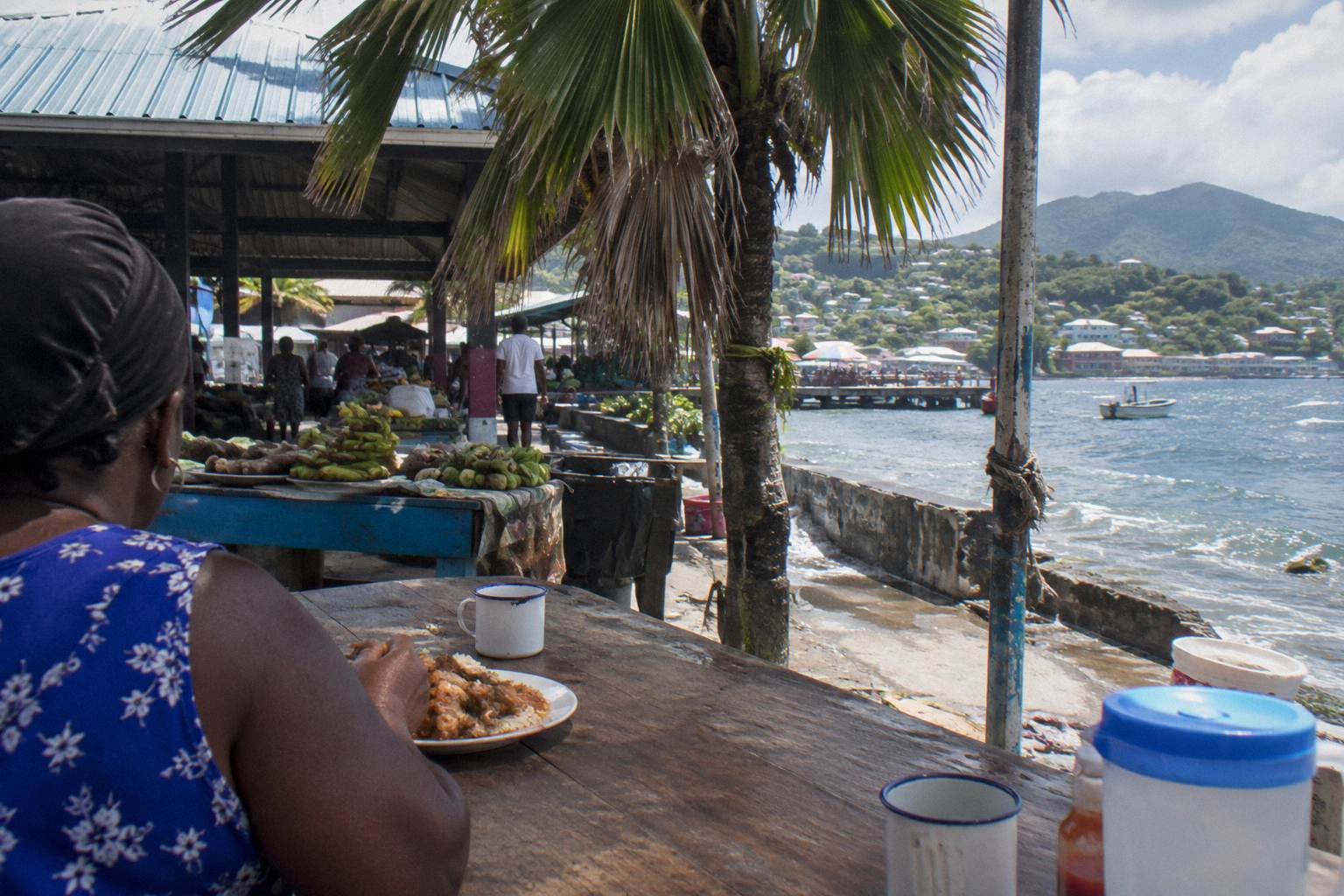
The naming trips up visitors constantly, and it is worth fixing before you order. "Fig" is the local word for banana generally, not a dessert fruit, so a green fig is simply a banana picked before it ripens. Boiled, it is firm and faintly nutty, closer to a plantain or a potato than to anything you would put on cereal. The saltfish, meanwhile, is soaked and cooked rather than eaten as cured fish, so the plate that arrives bears little resemblance to a raw filet.
No particular tour is promised to include the dish. No product's own inclusions list names green fig and saltfish, so the sensible approach is to look at the tours whose lines do name a full meal, and to ask the operator once whether the national dish is on the plate. The sections below do exactly that.
What Comes With The Dish: Sides, Soups And Staples?
A plate of green fig and saltfish rarely travels alone. The Tourism Authority lists fried plantains, callaloo soup and breadfruit as its usual company, and those sides are a cuisine lesson in themselves, each one showing how the island turns simple staples into dishes with their own character and history. Plantains appear both ripe and green in island cooking, fried here as the sweet counterweight to the salted fish. Callaloo soup is named by the Authority among the dishes Creole cooking classes teach, alongside the national dish itself, fried plantains, fresh-caught fish and local cocoa desserts. Breadfruit, described as a sweet, potato-like staple, is the island's great starchy inheritance, and it rounds out the plate the way rice might elsewhere.
| Component | What It Is |
|---|---|
| Green fig | Unripe green banana, boiled, served as the starch of the dish |
| Saltfish | Salt-cured cod, cooked with herbs and spices |
| Fried plantains | Sweet fried banana, listed by the Tourism Authority as a usual side |
| Callaloo soup | A named side and a standard dish in Creole cooking classes |
| Breadfruit | A sweet, potato-like staple in the Authority's words |
| Cocoa desserts | Local cocoa sweets, taught in the same Creole cooking classes |
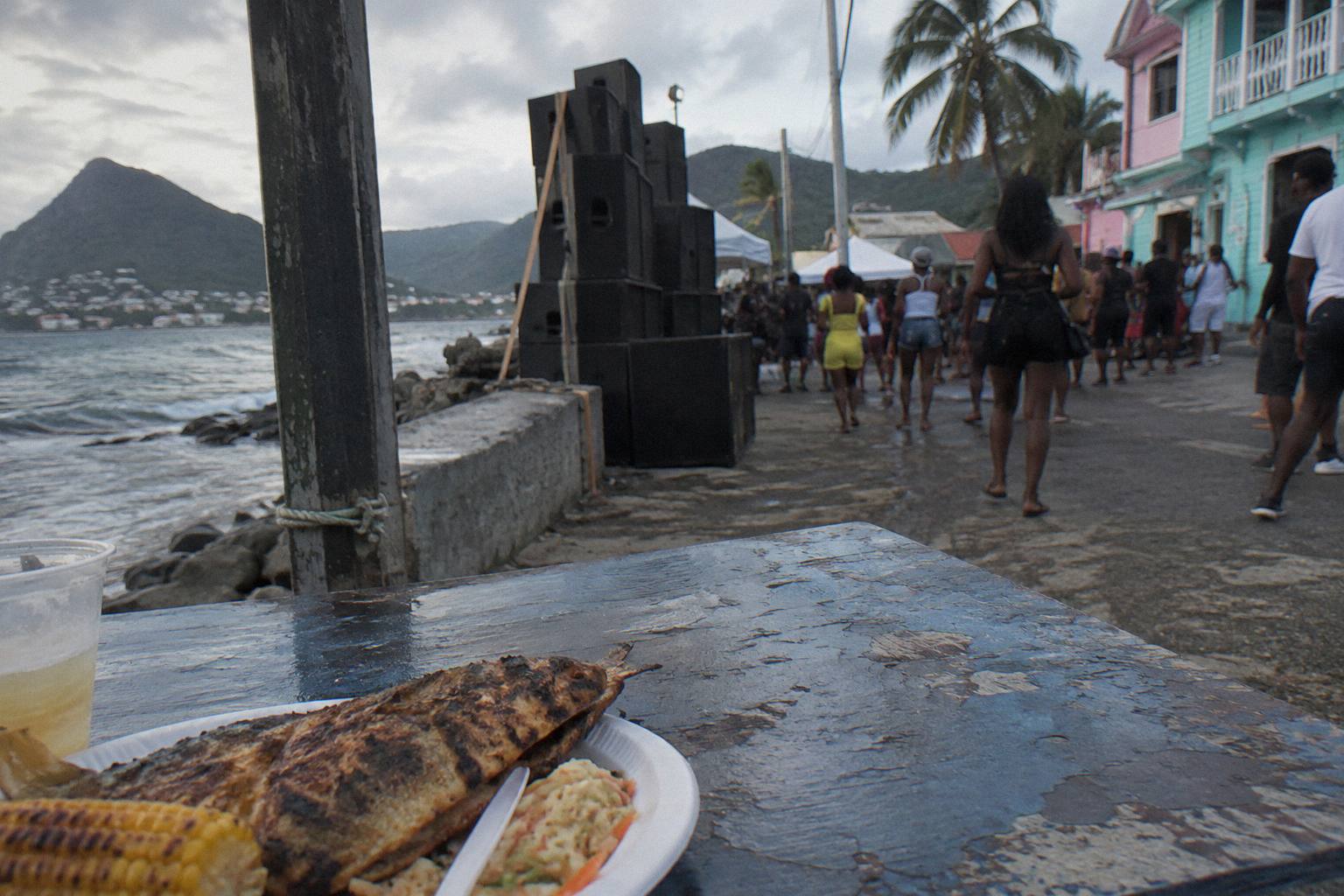
There is a bigger picture behind the sides. The Authority describes a whole street-food culture that runs on the same logic of cheap, filling, seasoned food: golden rounds of fried dough called bakes, known elsewhere as Johnny cakes or floats, paired with saltfish, cheese, jam or smoked herring; deep-fried saltfish fritters called accra, seasoned with herbs, peppers and local spices; and roasted corn, grilled seafood and barbecued meats sold from roadside stands and community gatherings as the sun sets. Its street food page covers these, and you can read the descriptions on the Saint Lucian street food page.
So the national dish is not an isolated monument. It is the seated, Sunday version of a flavour vocabulary you will meet everywhere: salted fish turned into something seasoned, green fruit turned into starch, and everything cooked with the same herb-and-spice hand. Once you can read that vocabulary, a market stall and a cooking class both start making sense.
That is also why a tasting walk is such an efficient way in. A guide who moves you through bakes, accra, fruit stalls and a full plate is teaching the whole system, and our Castries market walking tasting tour covers how that works in the capital's 1891 market building, where breakfast stalls open from around six in the morning and Saturday is the busiest day of the week.
Which Tours Include A Full Meal?
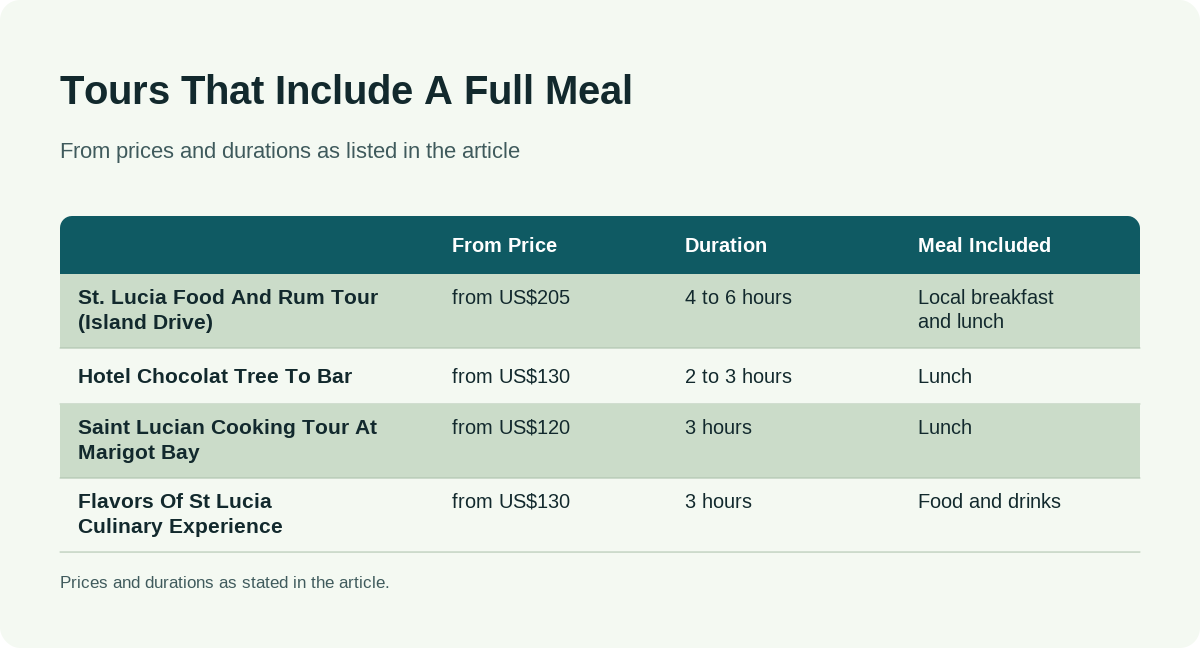
Three products' inclusion lines name a full meal: the Island Drive, Meals Included tour covers a local breakfast and lunch; the Marigot Bay Cooking, Lunch Included tour serves lunch; and the Hotel Chocolat Tree To Bar tour lists lunch among its inclusions. None of those lines names green fig and saltfish specifically, so the practical move is to pick the meal-included format that suits your day and ask the operator, once, whether the national dish is on the plate that week. The tour details below are the decision data: prices are US dollars per person, they vary by date and group, and the booking page shows the price for the date you choose.
| Tour | From Price | Duration | Operator | Meal In The Line |
|---|---|---|---|---|
| St. Lucia Food and Rum Tour (Island Drive, Meals Included) | from US$205 | 4 to 6 hours | The Other Tour St. Lucia | Local breakfast and lunch |
| Hotel Chocolat Tree To Bar | from US$130 | 2 to 3 hours | Project Chocolat from Hotel Chocolat | Lunch |
| Saint Lucian Cooking Tour at Marigot Bay (Marigot Bay Cooking, Lunch Included) | from US$120 | 3 hours | Lush Excursions | Lunch |
The Island Drive, Meals Included tour is the fullest of the three on paper. The Other Tour St. Lucia runs it as a private experience with island-wide pickup, free to all locations in St Lucia, minimum age 5, and its inclusion line covers a local breakfast and lunch alongside local snacks, alcoholic beverages, a live cashew roasting stop, an air-conditioned vehicle and a friendly guide. It carries a 5 rating from 243 reviews, and it can be cancelled free up to 24 hours before it starts. The duration runs 4 to 6 hours, and an optional rum distillery visit may carry a fee. See dates and check the live price before you commit to a day.
The Marigot Bay Cooking, Lunch Included tour from Lush Excursions takes 3 hours, is shared format, minimum age 18, from US$120 per person, and includes bottled water, lunch and an air-conditioned vehicle, with the driver meeting travellers near the cruise dock and a meeting spot named on the booking page. It is a young product with a single review, so there is no rating worth repeating; what it offers instead is a cooking-tour frame around the lunch, in one of the island's most photographed bays.
The Hotel Chocolat Tree To Bar tour is a different animal: from US$130 per person, 2 to 3 hours at the Rabot Estate in Soufriere, shared format, minimum age 8, with lunch, the tree-to-bar cacao tour and the chocolate-making experience all named as included and transportation named as excluded. It carries 4.7 from 587 reviews. If your day is really about chocolate and the meal is a bonus, our tree-to-bar chocolate tour guide breaks that experience down in detail.
Can You Learn To Cook The National Dish Yourself?
Yes, and it is the surest route to the plate: the Saint Lucia Tourism Authority says Creole cooking classes on the island teach green fig and saltfish, callaloo soup, fried plantains, fresh-caught fish and local cocoa desserts, with many classes beginning with a market or garden visit. That is a direct, official statement, and it matters more than any tour line, because a class that teaches the dish does not leave you guessing whether it is on the menu. The Authority adds that some classes run in private homes, boutique hotels or beachfront restaurants, which tells you the format varies widely. Its cooking-classes page is the reference: The Creole cooking classes page.
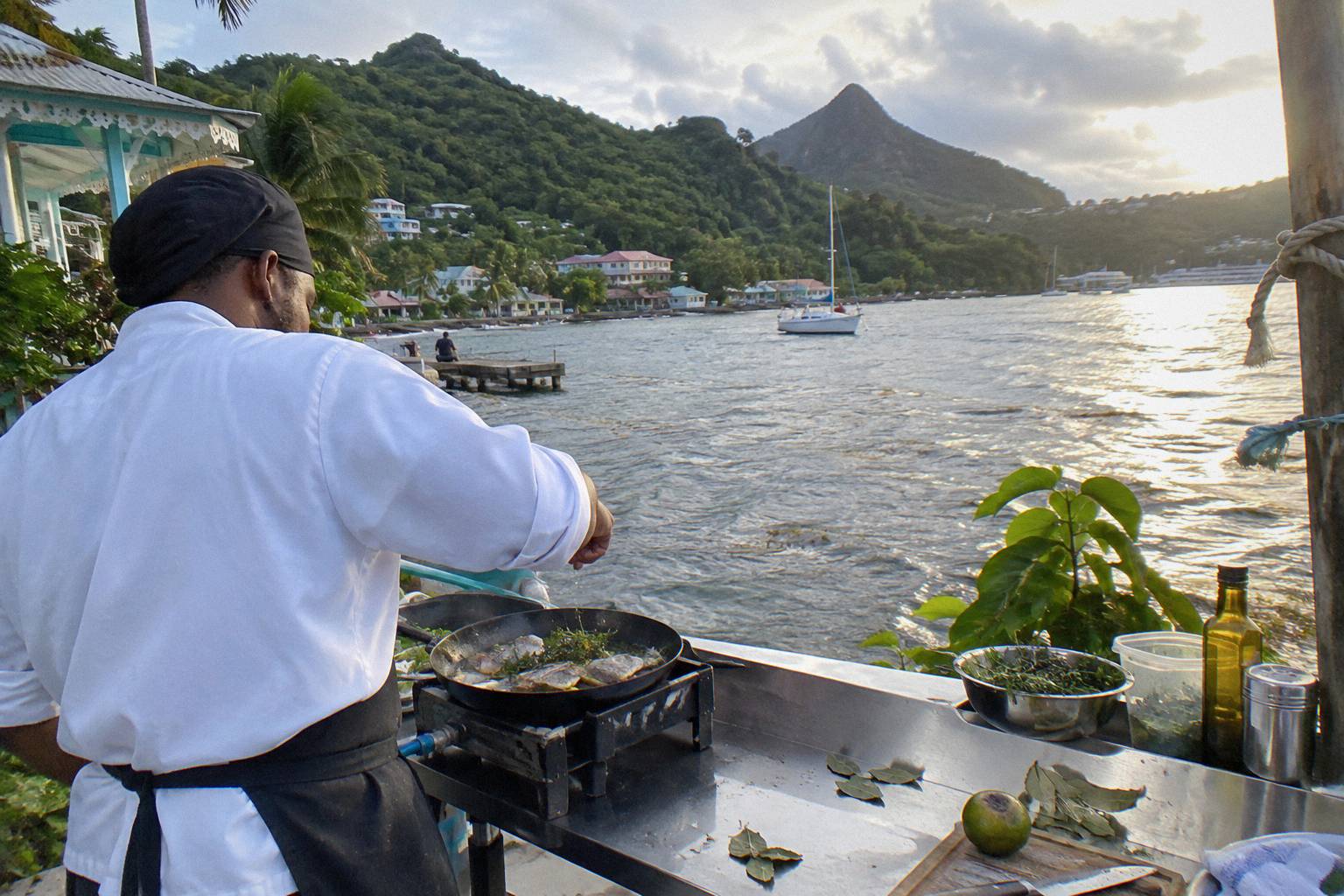
On the bookable side, the Flavors of St Lucia Culinary Experience from Barefoot Holidays is the clearest cooking product among the tastings here. Marketed here as the Chef Demo Cooking Experience, it runs 3 hours from US$130 per person, shared format, minimum age just 2, and its line includes a professional chef, a cooking demonstration, food and drinks, and hotel and port pickup and drop-off for hotels in the north. It carries 4.8 from 43 reviews, free cancellation up to 24 hours applies, and gratuities are excluded. A demonstration format means you watch the technique closely, which suits the dish: soaking and flaking salt cod and boiling green figs to the right firmness are steps worth seeing before attempting.
There are also class-like options beyond that one product, and our wider cooking class options in St Lucia guide compares them. The Marigot Bay Cooking tour described above is the other tour compared here that puts you in a cooking frame with lunch attached, and the Authority's statement means a cooking format is where asking about the dish is most likely to get a yes.
A practical note on the question itself. Ask it as a menu question, not a guarantee request: "will the class cover green fig and saltfish this week" gives an operator room to answer truthfully, since what is taught and served depends on the day, the season and the ingredients at the market that morning. The Authority's page names the dish among the standard repertoire of classes, but a given session on a given date is the operator's to confirm.
Where Do The Ingredients Come From?
Castries Central Market is the island's main source of fresh ingredients, open since 1891 and operating every day. It is busiest on Saturday, when farmers from all parts of Saint Lucia arrive to sell their produce, and breakfast stalls set up from around six in the morning, making it the natural place to see where the island's food truly begins. If you want to see a green fig before it is boiled, or the salt cod before it is soaked, this is where both are laid out. The Tourism Authority's own market blog describes the payments system: Eastern Caribbean dollars are the norm, most vendors also take US dollars, cash is preferred and small bills are useful. The Eastern Caribbean dollar is linked to the US dollar at EC$2.70 per US$1, and change often comes back in EC$.
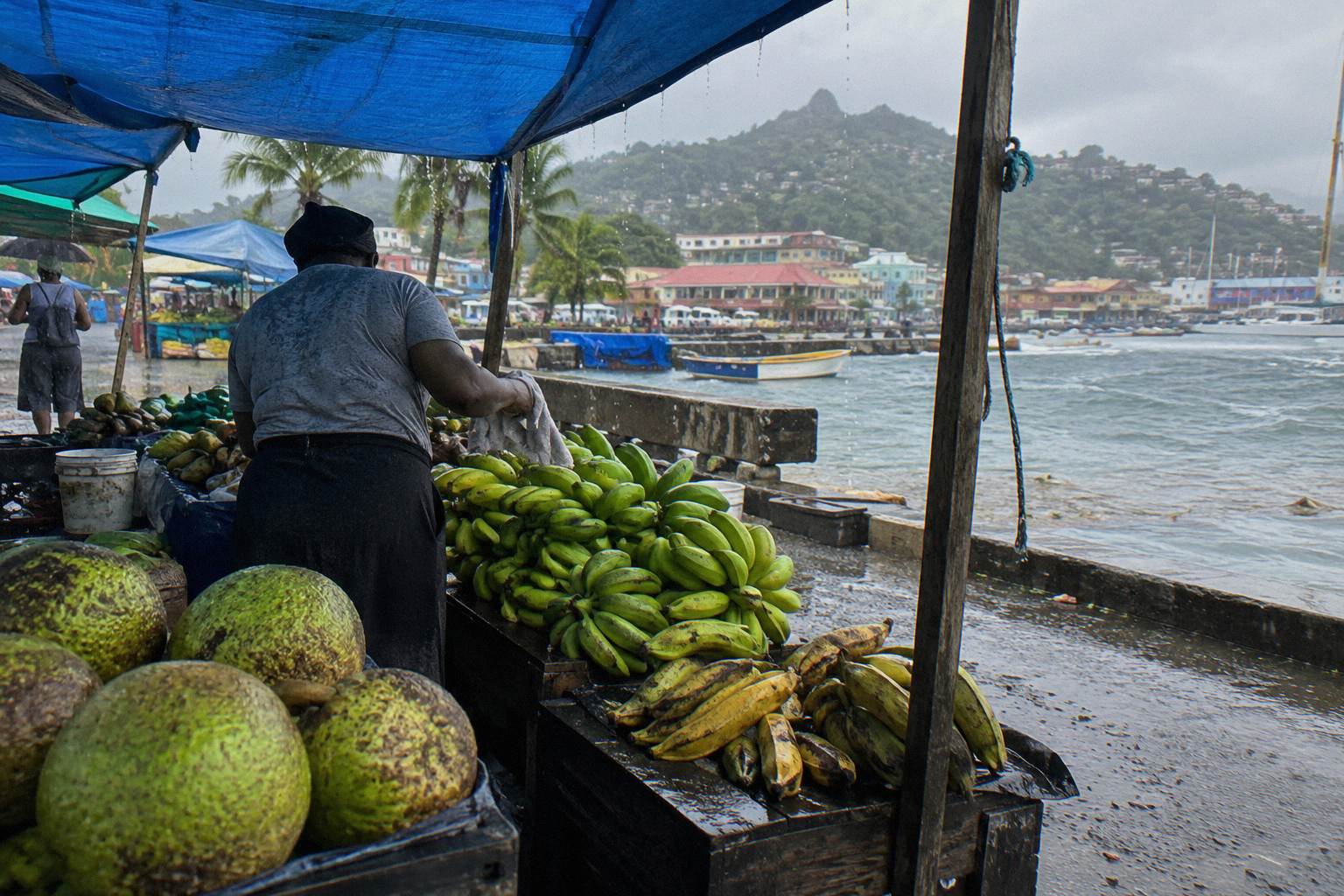
The market is also a fruit education. The Authority's blog counts more than 10 local mango types, names like Julie, Graham, Starch and Long Mango among them, and describes coconuts opened on the spot. The Tourism Authority says National Geographic rated the market among the top food markets in the world, which is its own wording and worth repeating as such. For money questions beyond the market, tipping is not added automatically in Saint Lucia, is customary at about 10% to 12% of bills, and is accepted by taxis, tour guides and others; hotel and restaurant bills carry 10% VAT and a 10% service charge, sometimes already in the quoted price.
Tours that put you in this setting include the Castries Market, Snacks Included walk from Lucian Food Tours, from US$85 per person for 2 hours 30 minutes, private format, all ages, including samples of local dishes, a Saint Lucian guide, and local alcoholic and non-alcoholic beverages, rated 4.9 from 33 reviews. The Shortest Castries Tasting Walk from City Walkers is 1 hour to 1 hour 30 minutes from US$65, private, minimum age 6, including samples of local foods, fresh fruits, juices and dishes, rated 4.9 from 21 reviews. Neither line names the national dish; both put you among the stalls where it is bought and sold daily, and the guide is the person to ask about it.
Where Else Does The Green Fig Turn Up?
The green fig follows the weekend: the Tourism Authority describes a Friday-to-Sunday rhythm of village nights, market mornings and family lunches, and its street-food pages put green fig salad on the Gros Islet Friday Night Street Party plate, served alongside grilled chicken, pork and the day's catch with bakes. That party has run every week for more than 50 years, starting from sunset and dancing well past midnight, and it is the island's most famous recurring food event. The Authority's weekend blog describes the same rhythm in Anse La Raye, a fishing village with a waterfront fish fry on Friday evenings serving grilled seafood and Creole dishes, though you should ask locally before you go, as the schedule can vary.
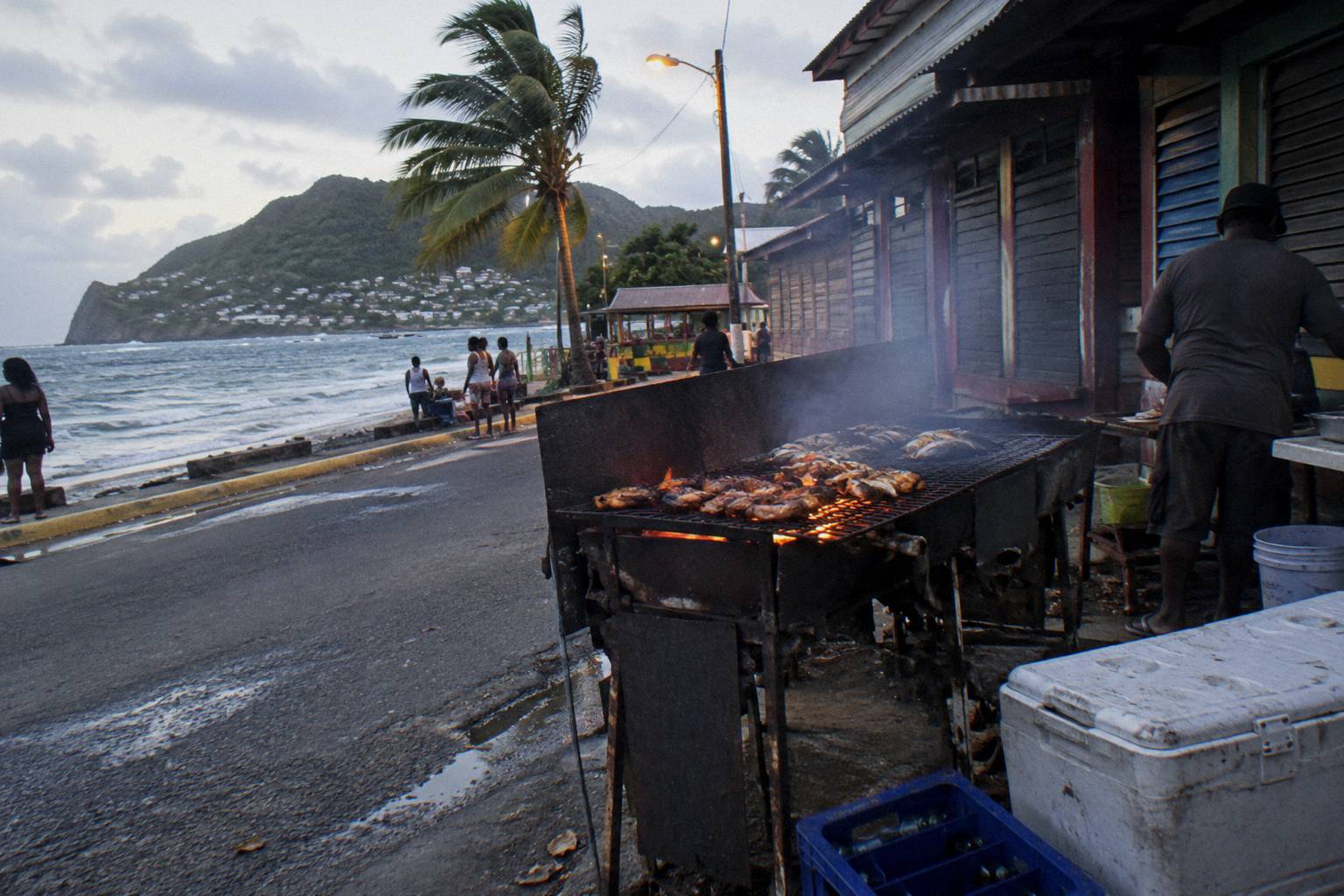
On the bookable side of Friday night, the Friday Party, Private Driver product from CHIC HOSPITALITY runs 3 hours from US$45 per person, private format, minimum age 18, rated 4.8 from 109 reviews. Its line includes a private driver-guide and round-trip minivan for your party, bottled water, text support before and throughout the night, a complimentary signature rum punch, and a clear orientation to the event layout and the best spots. Food, beverages and souvenirs are explicitly excluded, bought on the night, which is exactly the right frame for a street party: the vendors decide what is cooking.
There is a cocoa thread worth pulling too, because the island's food story is not only savoury. Cocoa has been grown in Saint Lucia since its arrival in the 1660s, according to the FAO story on cocoa, and cocoa tea, made with freshly ground cocoa sticks and spices such as nutmeg, cinnamon and bay leaf, is an island tradition the same source records. Creole cooking classes teach local cocoa desserts alongside the national dish, so the sweet end of the meal has its own heritage. If you are planning a day around Soufriere, our Soufriere tasting day with food, cocoa and fruit guide connects those dots.
How Do You Fit The Dish Into A Short Trip?
Match the format to your clock: a cruise morning or a short stay suits a 1 to 3 hour tasting walk in Castries or Rodney Bay, a full free day suits the 4 to 6 hour Island Drive with its two meals, and a learning appetite suits the 3 hour Chef Demo Cooking Experience. All amounts are in US dollars, per person as the tours compared give them, and every price varies by date and group. The main cruise season runs October to April, with up to five ships able to call into Castries in one day, which is a strong argument for booking a food experience ahead rather than walking up to a stall queue with a ship's whistle behind you.
| Format | Example Product | Duration | From Price |
|---|---|---|---|
| Short market walk | Shortest Castries Tasting Walk (City Walkers) | 1 hour to 1 hour 30 minutes | from US$65 |
| Market walk with samples | Castries Market, Snacks Included (Lucian Food Tours) | 2 hours 30 minutes | from US$85 |
| Cooking demonstration | Chef Demo Cooking Experience (Barefoot Holidays) | 3 hours | from US$130 |
| Full island day with two meals | Island Drive, Meals Included (The Other Tour St. Lucia) | 4 to 6 hours | from US$205 |
For cruise passengers specifically, the port sits at two complexes, Pointe Seraphine and La Place Carenage, with water taxis between them, and Pointe Seraphine is within walking distance of Castries itself, which puts the market and the shortest walks within reach. Our tasting tours for cruise ship passengers guide covers that decision in full, including how the tour pickup lines treat port guests.
Seasonality matters less for this dish than for some, because green bananas and salt cod are not seasonal luxuries, but your comfort is worth a thought. The island's average temperature runs 23 to 31 C, the driest and busiest season is December to April, and the rainy season from June to December usually brings brief showers. The Atlantic hurricane season runs June 1 to November 30. None of that stops a market, but it might decide whether you want a 6 hour driving day or a 90 minute covered-stall walk. Check the live price for your date before you build the day around it.
If your interest is less the plate and more the island's food economy, the national dish is a good lens: it turns an imported preserved fish and a backyard starch into a national symbol, cooked with the herbs of three continents. That is the Creole story the Tourism Authority tells, and it is the reason a guide who can explain it earns their fee.
What Trips People Up Before You Book
The most common booking mistakes are assuming every food tour includes a full meal, expecting figs to be fruit, thinking saltfish will taste like fresh fish, and failing to ask the one question that matters before you book. Checking these assumptions in advance will save you disappointment and help you choose the right tour. The first two are vocabulary errors, fixed above. The third is a booking error: several of the tours compared are tasting walks or party transport where food is bought separately or sampled in small portions, and only three lines name a full meal outright. The fourth is the quiet one, because no tour line names green fig and saltfish, so silence gets you a nice day and possibly no national dish. Ask the operator once, before you book, whether it is on the plate.
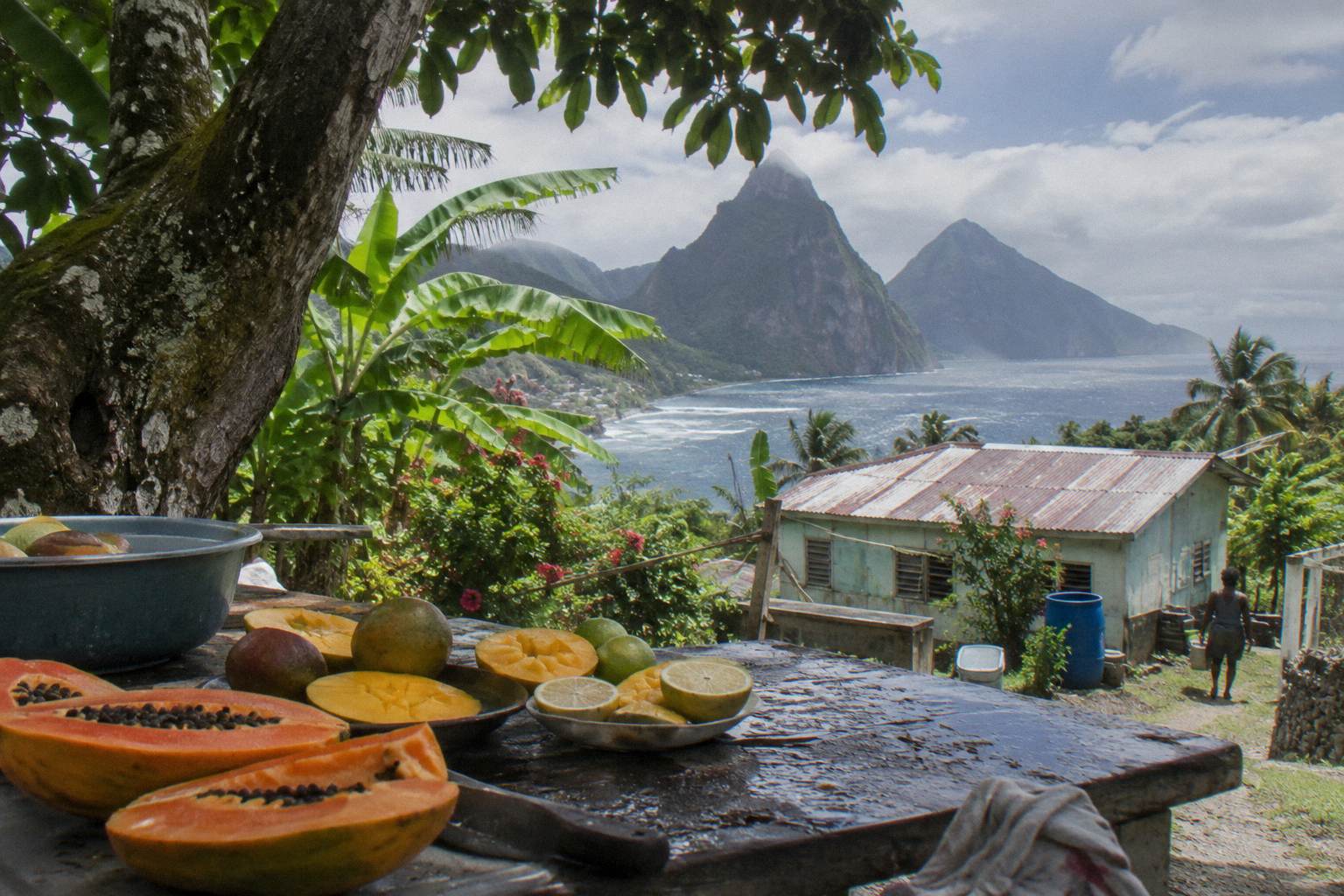
A few more tripwires. Minimum ages range from 0 on the family-friendly walks to 18 on the party and distillery products, so a family with teenagers should check ages before falling for a format. Pickup terms differ sharply: the Island Drive collects free from all locations, the Chef Demo covers north-island hotels and the port, while the Hotel Chocolat line excludes transportation entirely and departs from the Rabot Estate in Soufriere. Free cancellation up to 24 hours before start applies across all the tastings here, which makes an early booking low-risk. And prices are per person, vary by date and group, and the booking page shows the figure for your chosen date.
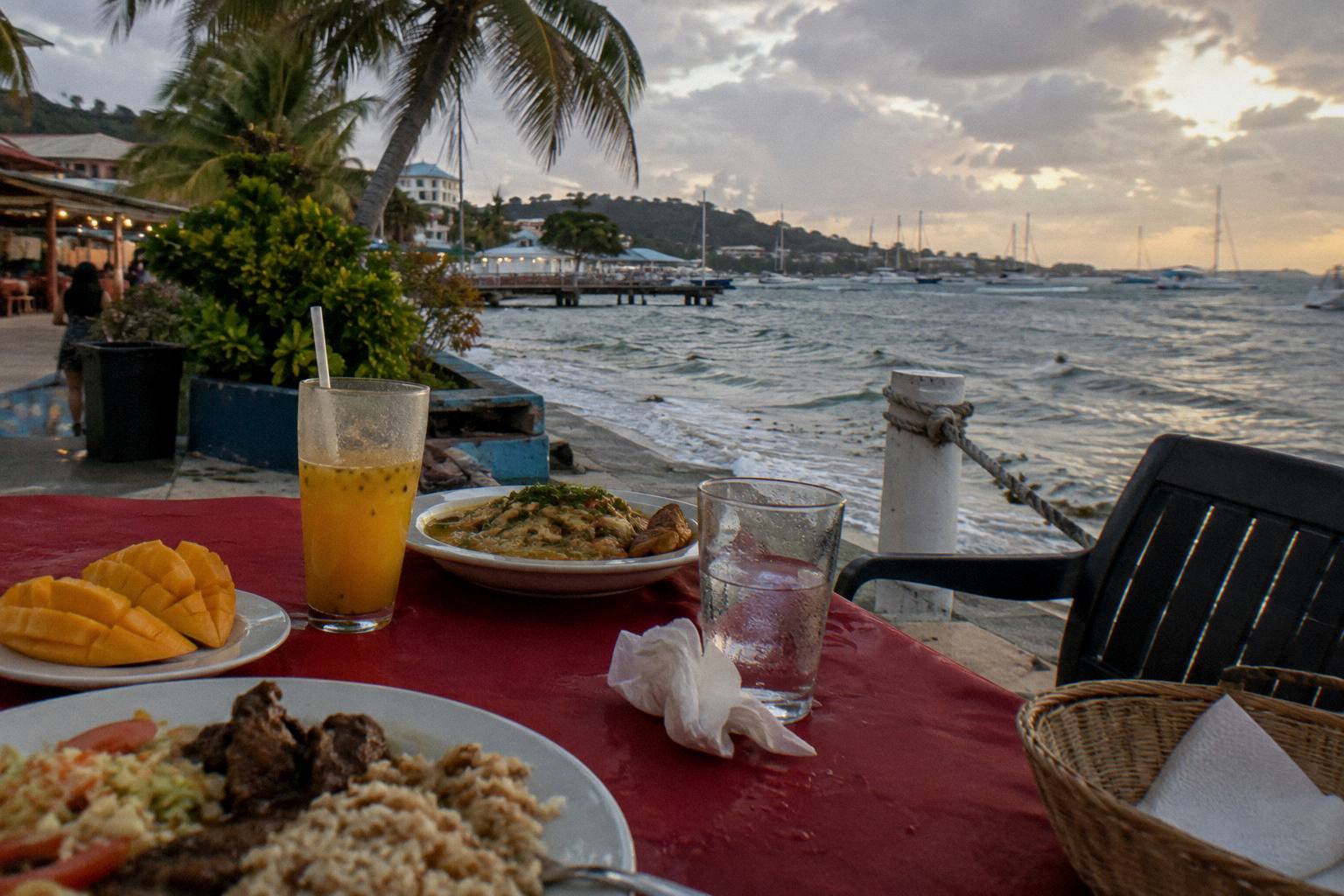
The last mistake is treating the dish as a checklist item rather than a door. Green fig and saltfish opens onto bakes and accra at breakfast, cocoa tea made from sticks ground with nutmeg and bay leaf, Friday's green fig salad beside grilled chicken at Gros Islet, and a Sunday family lunch tradition the Tourism Authority describes as part of the island's weekend rhythm. Book the tour that fits your clock, ask the question, and let the rest of the cuisine follow. That is roughly the approach St Lucia Food Tour takes across every guide on the site.
Common Questions About The National Dish
What Is Green Fig And Saltfish?
It is the national dish of Saint Lucia: unripe green bananas, called figs locally, boiled and served with salt-cured cod cooked with herbs and spices, usually with fried plantains, callaloo soup or breadfruit. The Saint Lucia Tourism Authority names and describes it on its culinary page.
Why Is It Called Green Fig When It Is A Banana?
"Fig" is the local word for banana in Saint Lucia, so a green fig is simply a banana picked unripe and boiled as a starch. It is firm and savoury, closer to a plantain or potato than to a sweet fruit.
Do Any Tours Serve Green Fig And Saltfish?
No tour inclusion line names the dish outright. Three lines name a full meal: the Island Drive, Meals Included tour with local breakfast and lunch, the Marigot Bay Cooking tour with lunch, and the Hotel Chocolat Tree To Bar tour with lunch. Ask the operator once whether the national dish is on the plate.
Can You Learn To Cook Green Fig And Saltfish In St Lucia?
Yes. The Tourism Authority says Creole cooking classes across the island teach green fig and saltfish, callaloo soup, fried plantains, fresh-caught fish and local cocoa desserts, with many classes starting at a market or garden visit. The Chef Demo Cooking Experience is the demonstration-format cooking product among the tastings here.
What Is Served With Green Fig And Saltfish?
The Tourism Authority lists fried plantains, callaloo soup and breadfruit as the usual company, with breadfruit described as a sweet, potato-like staple. Green fig salad also appears at the Gros Islet Friday Night Street Party alongside grilled meats and the day's catch.
Where Can You See The Ingredients Being Sold?
Castries Central Market, open since 1891, open every day and busiest on Saturday when farmers from across the island come to sell, with breakfast stalls from around six in the morning. Payments are in Eastern Caribbean dollars, most vendors also take US dollars, and small bills are useful.