Marigot Bay Cooking Tour: What You Cook And Eat
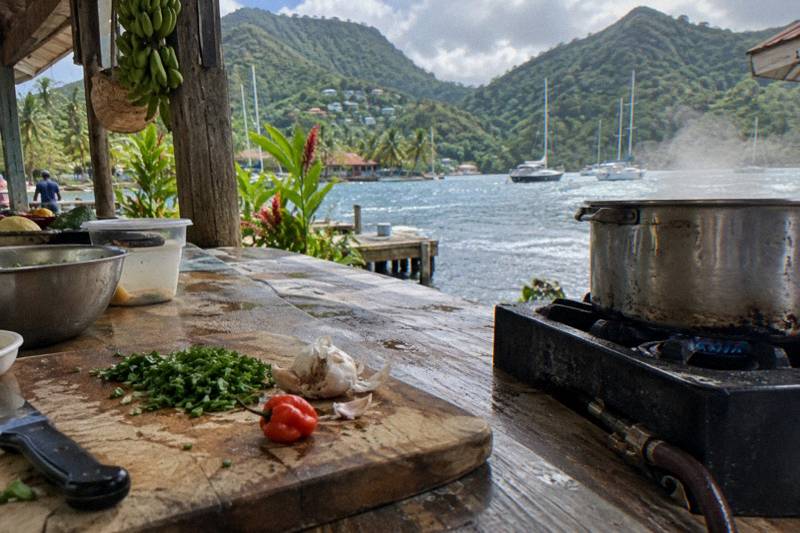
The Marigot Bay cooking tour is a three-hour culinary experience from Lush Excursions. Here is what the product actually covers, what a Saint Lucia cooking class teaches in general, and how the options compare.
Short answer
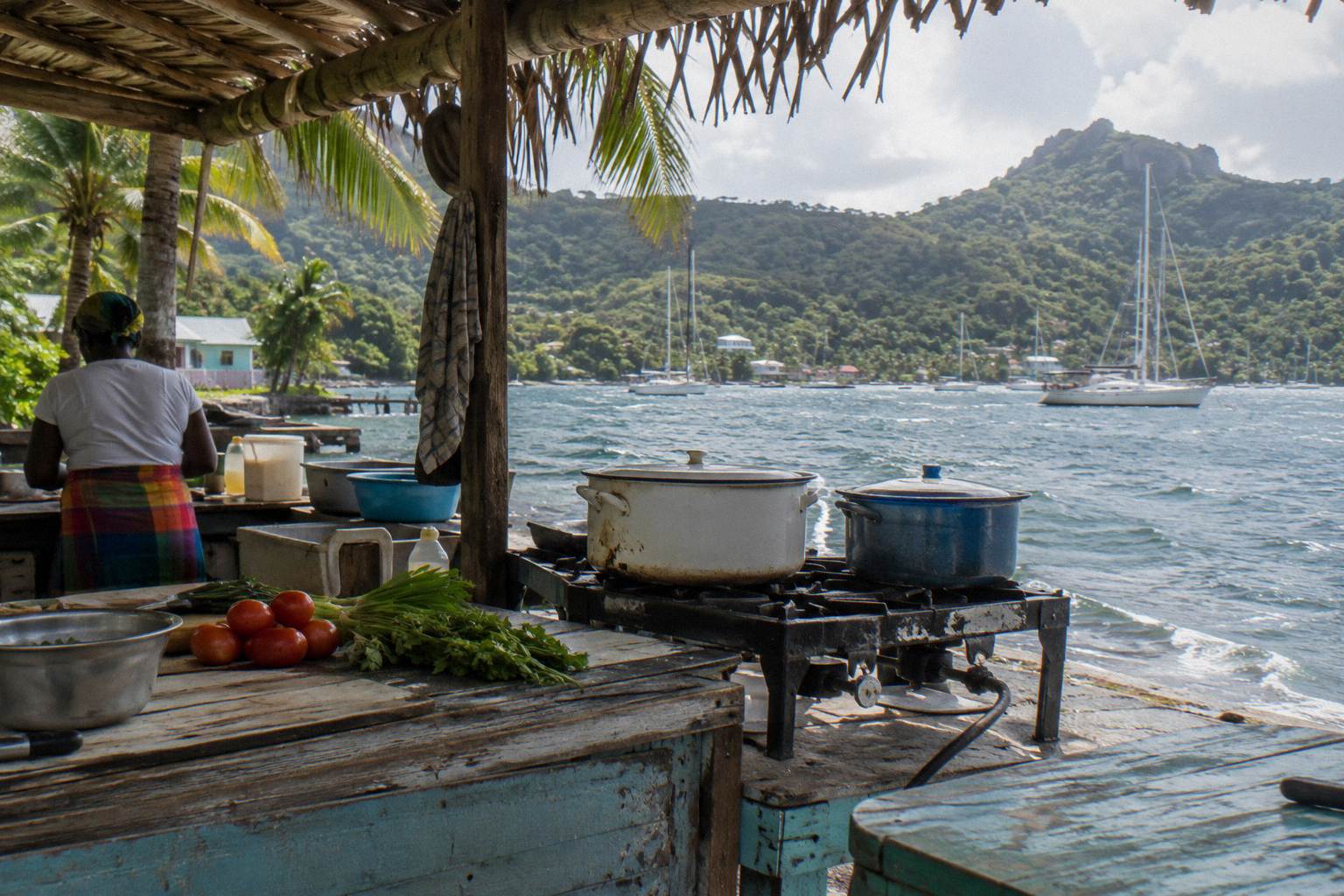
The Saint Lucian Cooking Tour at Marigot Bay runs three hours, from US$120 per person, minimum age 18, with lunch, bottled water and an air-conditioned vehicle named as included. The driver meets travelers near the cruise dock. It is one of several cooking experiences, alongside a chef demonstration tour from US$130 with hotel and port pickup.
Cooking classes sit among the most rewarding ways to eat on the island, and the full range of hands-on options is gathered in the cooking class and culinary day collection. Here we look closely at one product in that family, the "Saint Lucian Cooking Tour at Marigot Bay" from Lush Excursions, and set it beside the other culinary experiences a visitor can book. The short version: it is a three-hour class with lunch included, from US$120 per person, and the details below come straight from the product details, with the island's cooking-class culture filled in from the Saint Lucia Tourism Authority.
| Fact | Detail |
|---|---|
| Product | Saint Lucian Cooking Tour at Marigot Bay, by Lush Excursions |
| Duration | 3 hours |
| Price | From US$120 per person |
| Minimum age | 18 |
| Included | Bottled water; lunch; air-conditioned vehicle |
| Departure point | Marigot Bay |
| Meeting arrangement | Driver meets travelers near the cruise dock and meeting spot named on the booking page |
| Cancellation | Free up to 24 hours before the start |
What The Marigot Bay Cooking Tour Actually Includes
The product runs three hours, from US$120 per person, with a minimum age of 18, and names three things as included: bottled water, lunch and an air-conditioned vehicle. The driver meets travelers near the cruise dock and at the meeting spot named on the booking page. It is a shared-format experience, so you join other guests rather than booking the session for your party alone, and free cancellation applies up to 24 hours before the start. That cancellation window matters if your travel plans shift while you are on the island. Amounts here are US dollars, per person, as the product details give them, and the price varies by date and group size.
What the product line does not spell out is a menu. No dish, hands-on step or recipe is named for this specific experience, so nothing of that kind appears here. That is less of a gap than it sounds, because the island's cooking-class culture is well documented by its tourism body. The Saint Lucia tourism page on Creole cooking classes describes what these sessions typically teach: green fig and saltfish, callaloo soup, fried plantains, fresh-caught fish and local cocoa desserts, with many classes beginning with a market or garden visit, and some held in private homes, boutique hotels or beachfront restaurants.
The distinction matters for booking. If a printed menu is what you want before you pay, ask the operator what the class cooks on your date, since dishes shift with the market and the season. If the draw is the format itself, a half day of cooking and eating in a small group with lunch built into the price, the product details already answer the important questions: how long it runs, who can come, what is covered and where you meet. For a wider view of the island's cooking culture before deciding, the guide to what a cooking class in St Lucia covers walks through the formats side by side.
How A Saint Lucia Cooking Class Compares With The Alternatives
A Saint Lucia cooking class gives you hands-on kitchen time at a set venue, while the alternatives split into two camps: the Barefoot Holidays "Flavors of St Lucia Culinary Experience" pairs a professional chef with hotel pickup, and The Other Tour St. Lucia's food and rum driving tour trades cooking for four to six hours of island-wide eating and drinking. Each suits a different traveler, and the age limits alone rule options in or out for families. The ratings, where they exist, also diverge: the Flavors experience carries 4.8 from 43 reviews and the driving tour 5 from 243.
The age limits do real sorting work here. A couple or a group of adults fits all three products. A family with a six-year-old is out of the Marigot Bay class, which sets its minimum at 18, but fits the Flavors experience, which welcomes children from age 2, or the driving tour from age 5. Location sorts further: the Marigot Bay product departs from Marigot Bay with the driver meeting travelers near the cruise dock, while the Flavors experience picks up from hotels and the port for properties in the north. The driving tour, true to its name, picks up from all locations island-wide, per its own details.
The Flavors experience also differs in format. Where a cooking class implies hands-on work at a station, the Barefoot Holidays product names a cooking demonstration led by a professional chef, plus food and drinks, on a farm departure point with hotel and port pickup in the north. A demonstration and a hands-on class are different days: one watches and eats, the other chops, stirs and eats. Neither product line is wrong about itself, so the choice comes down to which verb you want in your afternoon. If watching a chef work through Creole dishes with everything provided sounds like the better fit, the chef demonstration cooking experience page carries the full details and dates.
One more contrast belongs in the frame: the driving tour is a tasting and sightseeing day rather than a class, so it competes for the same calendar slot but not the same appetite. It covers more hours, more island and more meals, and it is private rather than shared. Some travelers in Marigot Bay for a single day book the class and skip the drive; others with a week on the island do both on different days. The fair comparison is not which is better but which one your trip has room for.
What Creole Cooking Classes On The Island Teach
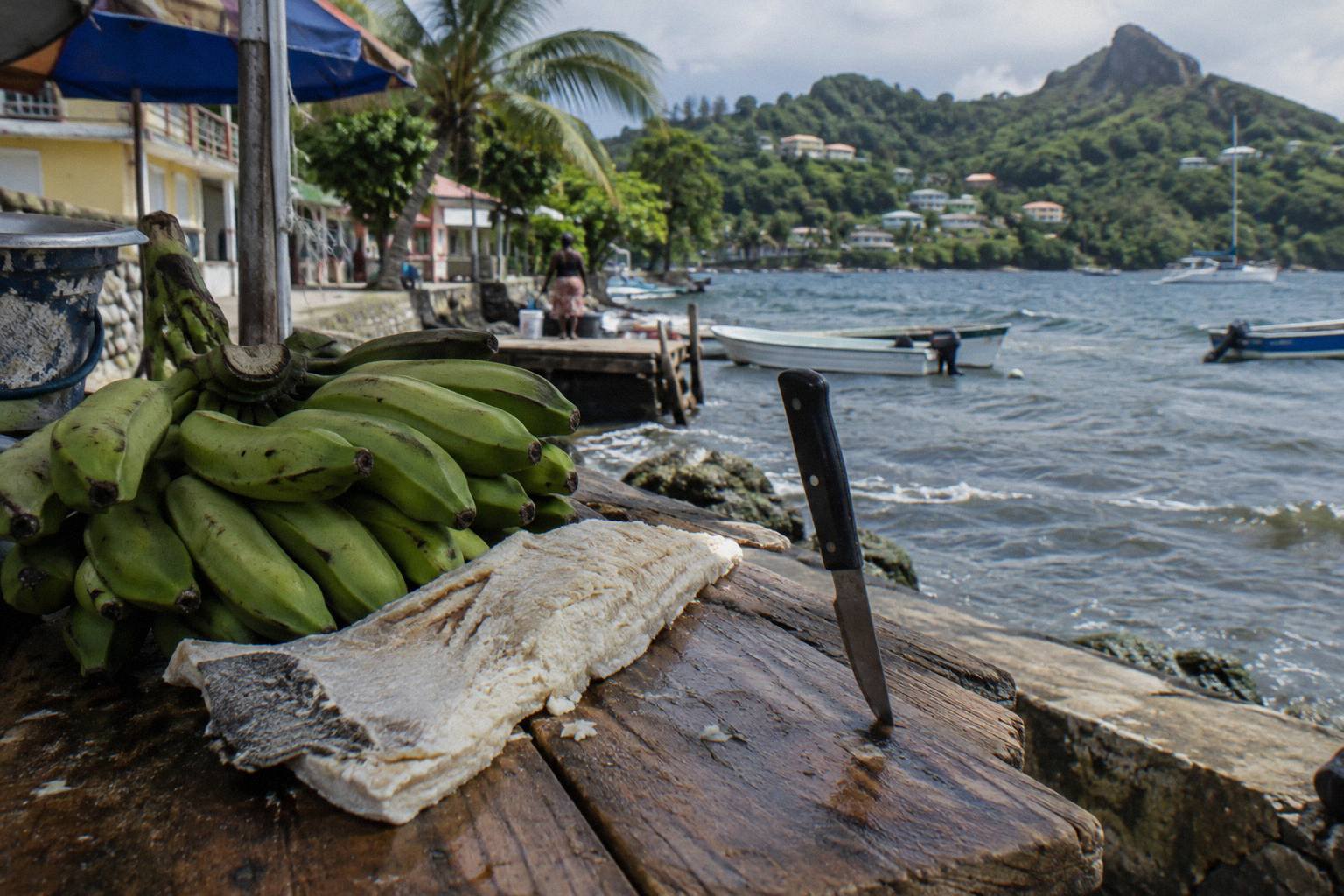
Saint Lucia's Creole cooking classes teach the island's signature dishes, including green fig and saltfish, the national dish of unripe green bananas with salt-cured cod, alongside callaloo soup, fried plantains, fresh-caught fish and local cocoa desserts, with bouyon named by the Tourism Authority as a class dish. The cuisine blends African, French and Caribbean influences, drawing on fresh seafood, tropical produce, spices and cacao grown in volcanic soil. Those descriptions come from the tourism authority's own pages, and they set the frame for any class booking on the island.
The Saint Lucia tourism culinary page is the primary source for that repertoire, and it is worth reading before any class booking because it sets fair expectations. A class in Saint Lucia is not a generic Caribbean cooking session; it is built around specific island dishes with specific histories. Cocoa has been grown on the island since its arrival in the 1660s, per the FAO story on cocoa in Saint Lucia, and cocoa tea, made with freshly ground cocoa sticks and spices such as nutmeg, cinnamon and bay leaf, is an island tradition that classes sometimes fold into the dessert portion of a session.
| Dish or tradition | What the tourism body describes |
|---|---|
| Green fig and saltfish | The national dish: unripe green bananas boiled, served with salt-cured cod, herbs and spices, usually with fried plantains, callaloo soup or breadfruit |
| Callaloo soup | A named class dish and a usual partner to the national dish |
| Fried plantains | A named class dish, served alongside the national dish |
| Fresh-caught fish | A named class dish in the Creole repertoire |
| Local cocoa desserts | A named class element, in an island where cocoa has been grown since the 1660s |
| Cocoa tea | An island tradition made with freshly ground cocoa sticks, nutmeg, cinnamon and bay leaf |
Many classes begin with a market or garden visit, per the tourism body, and that opening shapes the day. A market visit means fresh ingredients chosen that morning; a garden visit means produce pulled steps from the kitchen. Some classes run in private homes, some in boutique hotels and some in beachfront restaurants. The specific setting for the Marigot Bay product is not named beyond its departure point, so ask the operator where the session cooks if the setting matters to you. For the market side of island food, the Castries market walking tasting tour guide covers the 1891 market, its Saturday rhythm and its more than 10 local mango types.
Price, Duration, Age And Pickup At A Glance
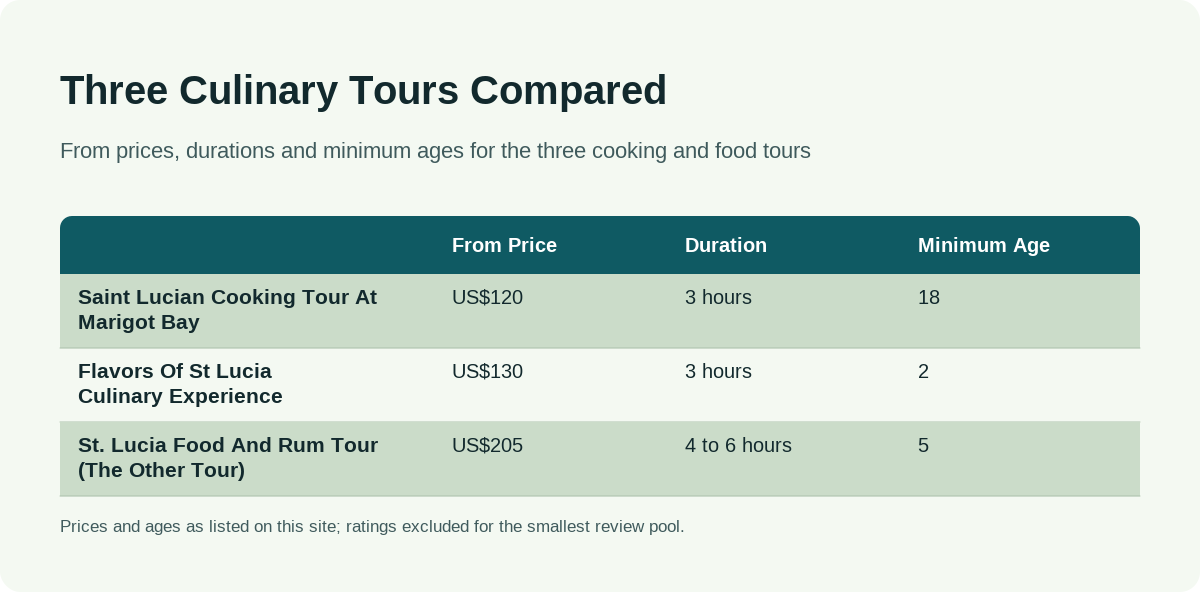
The three culinary products sort cleanly on paper: US$120 for three hours at Marigot Bay from age 18, US$130 for three hours with a chef demonstration from age 2 with north hotel pickup, and US$205 for a four-to-six-hour private driving day with meals from age 5 and island-wide pickup. Each figure is a from-price per person in US dollars, tied to its own product, and each varies by date and group; the booking page shows the price for the date you want. The table below keeps the details side by side so the differences stay visible rather than implied.
| Product | From price | Duration | Minimum age | Pickup | Meals and drinks named |
|---|---|---|---|---|---|
| Saint Lucian Cooking Tour at Marigot Bay (Lush Excursions) | US$120 | 3 hours | 18 | Driver meets travelers near the cruise dock and the meeting spot named on the booking page | Bottled water; lunch |
| Flavors of St Lucia Culinary Experience (Barefoot Holidays) | US$130 | 3 hours | 2 | Hotel and port pickup for hotels in the north | Food and drinks |
| St. Lucia Food and Rum Tour (The Other Tour St. Lucia) | US$205 | 4 to 6 hours | 5 | Free pickup to all locations in St. Lucia | Local breakfast and lunch; snacks; alcoholic beverages |
Ratings belong beside prices only where the review pool supports them. The Flavors experience carries 4.8 from 43 reviews and the driving tour 5 from 243. The Marigot Bay product has a single review so far, which is too small a pool to support any star claim, in either direction. A lone review tells you almost nothing about quality; it tells you the product is newer or less traveled than its rivals. If social proof is a deciding factor for you, weight the two established products accordingly and judge the Marigot Bay class on what its inclusions promise.
Pickup is the quiet dealbreaker in the table. The Marigot Bay product meets you near the cruise dock, which suits cruise passengers and anyone staying in or near the bay. The Flavors experience collects from northern hotels and the port, so a stay in the south means a long transfer before the class even starts. The driving tour simply collects everywhere, which is part of why it costs more and runs longer. Check the live price and dates for your window before comparing further, since availability shifts with the season.
Marigot Bay As A Starting Point For A Cooking Day
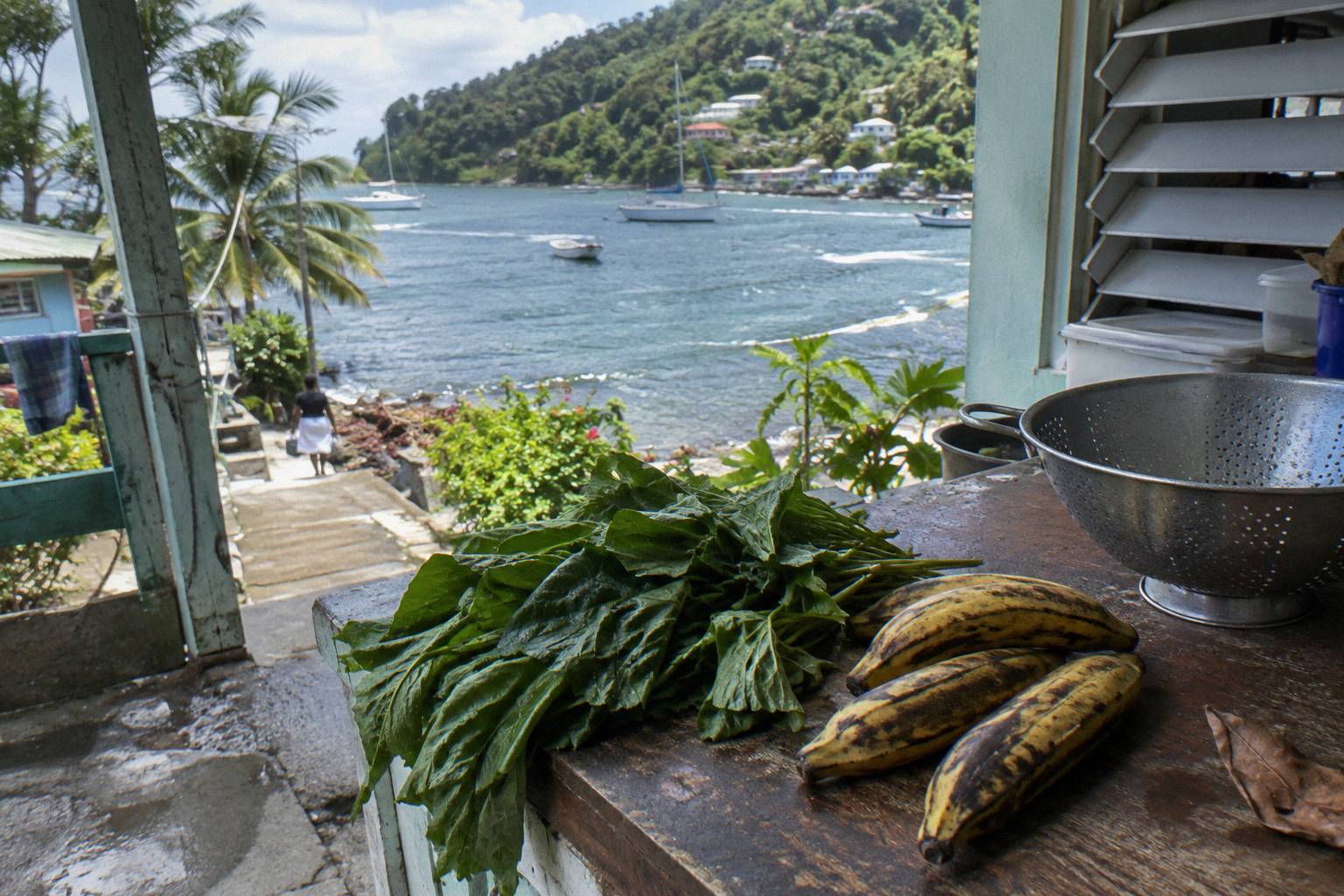
The bay is named on this product as the departure place, and the driver meets travelers near the cruise dock and the meeting spot given on the booking page; nothing more about the location is part of what you are buying. What the surrounding product landscape offers is worth knowing anyway, because a cooking day in this part of the island can be combined with other food experiences on the same stay. The Castries market sits within reach of a bay-based day, and a market walk before or after a class is a natural pairing: the market has been open since 1891, opens its breakfast stalls from around six in the morning and is busiest on Saturday, per the Tourism Authority's own writing on the weekend rhythm.
Payments at the market run in Eastern Caribbean dollars, with most vendors also taking US dollars, cash preferred and small bills useful. The Eastern Caribbean dollar is pegged at EC$2.70 per US$1, a currency fact worth holding in mind across the island, though tour prices themselves are always quoted in US dollars and should never be converted. The Rodney Bay walking tasting route guide covers the northern walk alternative for travelers who want snacks and stories without a stove.
For travelers who prefer grazing to cooking, a market walk with tastings included is the closer cousin of a class. The "Castries Market Walking Food Tour by LUCIAN FOOD TOURS" runs two and a half hours, from US$85, rating 4.9 from 33 reviews, no minimum age, with samples of local dishes, a guide and local alcoholic or non-alcoholic beverages named as included. It is private in format and departs from the market itself. Sampling and cooking answer different appetites, but they share an origin: the market stalls where the island's ingredients begin their day. The rest of the planning pages sit on St Lucia Food Tour.
Money, Tipping And Practicalities Around A Cooking Day
Budget for more than the ticket: hotel and restaurant bills in Saint Lucia carry 10% VAT and a 10% service charge, tipping is not added automatically and runs customary at about 10% to 12%, and tap water is described by stlucia.org as safe to drink. Those are the island-wide money facts that frame any food experience, per the Saint Lucia tourism travel tips page. For the class itself, the inclusions do the heavy lifting: lunch and bottled water are named on the Marigot Bay product, so the main extra spend is gratuity for the driver and host if service earns it.
| Practicality | The island rule |
|---|---|
| VAT and service charge | 10% VAT and a 10% service charge on hotel and restaurant bills, sometimes already in quoted prices |
| Tipping | Not added automatically; customary at about 10% to 12% of bills, accepted by taxis and tour guides |
| Currency | Eastern Caribbean dollar pegged at EC$2.70 per US$1; US currency widely accepted, change often in EC$ |
| Market payments | Eastern Caribbean dollars preferred, most vendors also take US dollars, cash and small bills useful |
| Tap water | Described by stlucia.org as safe to drink, with bottled water also available |
A few practical notes round out the picture. If the class day includes a market visit beforehand, carry cash in small bills, since market vendors prefer cash and change often comes in Eastern Caribbean dollars. If you are weighing whether island eating is expensive generally, the cost of eating out on the island breaks down restaurant and street pricing. And if your stay overlaps the last Sunday of October, Creole Heritage Month closes with Jounen Kwéyòl, when traditional food and Kwéyòl culture fill the island; the guide to when Creole Day falls explains the date logic.
Dietary needs deserve a direct word with the operator rather than an assumption. No product among the tours compared claims vegetarian, vegan, gluten-free or allergen-safe service, so the safe move is to ask before booking, once, and to bring the answer back to your group. The same applies to alcohol: the driving tour names alcoholic beverages as included and the market walk offers local drinks both with and without alcohol, while the Marigot Bay product names no drinks beyond bottled water and lunch. For a fuller treatment, the dietary needs on Saint Lucian tasting tours guide covers the questions worth asking.
Should Cruise Passengers Book This Cooking Tour
Yes, if the timing lines up with your ship's schedule. The Marigot Bay cooking tour is built around a driver meeting travelers near the cruise dock, includes lunch, and its three-hour duration leaves room in a port day. With Castries running two cruise port complexes, water taxis between them, and a main season from October to April, a three-hour class fits well within a shore excursion window. Up to five ships can call into Castries in a single day, so a dockside meeting point is a genuine convenience on busy port days. The ports authority cruise and ferry services page is the source for the port picture.
The comparison for cruise passengers is largely between a class and a tasting walk. The shortest Castries tasting walk runs one to one and a half hours from US$65, rating 4.9 from 21 reviews, while the market walk above runs two and a half hours from US$85. A class eats more of the day but leaves you with a meal you helped make and a set of dishes you can name. The tasting tours for cruise ship passengers guide covers the port-day arithmetic in more depth, including which formats fit tight windows.
One caution belongs here: ship time and island time are not the same thing, and the product's start time is chosen on the booking calendar rather than printed anywhere. Confirm the start against your all-aboard time with the operator before you book, and lean on the free cancellation up to 24 hours before the start if the itinerary shifts. That policy is common across the tours compared, but common does not mean automatic: the 24-hour mark is the boundary, and missing it forfeits the flexibility.
What Trips People Up Before You Book
Most booking problems trace back to three mistaken assumptions. Travelers expect a printed menu when the product names none of its dishes, they expect the Flavors experience to be hands-on when it is actually a demonstration, and they expect hotel pickup even though the product does not include any such transfer. Checking all three points against the actual product description before you pay prevents nearly every common complaint. The Marigot Bay class names lunch, water and a vehicle, not a menu, so ask the operator what the class cooks on your date before you pay. The Flavors experience is the chef demonstration, not a session where you cook; the Marigot Bay class is the hands-on one. And pickup terms differ product by product, from island-wide collection to a dockside meeting to no pickup at all. Booking against assumptions rather than inclusions is how a good afternoon goes wrong.
The second trap is age. The Marigot Bay product sets its minimum at 18, and that is a hard line on the booking, not a suggestion. Families who book first and read later find themselves rebooking into the Flavors experience, which welcomes children from age 2, or the driving tour from age 5. The third trap is price comparison across formats: a three-hour shared class, a three-hour chef demonstration and a six-hour private driving day with two meals are not the same product at different prices, and comparing their from-prices as though they were is a category error, not a bargain. Full price context lives in the what tastings cost on the island guide.
Common Questions About The Marigot Bay Cooking Tour
What Does The Marigot Bay Cooking Tour Include?
The three-hour product from Lush Excursions names bottled water, lunch and an air-conditioned vehicle as included, from US$120 per person, minimum age 18. The driver meets travelers near the cruise dock and the meeting spot named on the booking page. Free cancellation applies up to 24 hours before the start.
What Do You Cook On The Marigot Bay Cooking Tour?
The listing describes a hands-on class where you prepare lunch from a curated menu, but it names no dishes, so ask the operator what the class cooks on your date. In general, Creole cooking classes on the island teach green fig and saltfish, callaloo soup, fried plantains, fresh-caught fish and local cocoa desserts, per the Saint Lucia Tourism Authority, and many classes begin with a market or garden visit.
How Much Does A Saint Lucia Cooking Class Cost?
The Marigot Bay class starts at US$120 per person for three hours. The Flavors of St Lucia Culinary Experience starts at US$130 for three hours with a chef demonstration. The food and rum driving tour starts at US$205 for four to six hours with two meals. All are per-person from-prices in US dollars, varying by date and group; the booking page shows the price for your date.
Can Children Join A Cooking Class In Saint Lucia?
It depends on the product. The Marigot Bay class sets its minimum age at 18. The Flavors of St Lucia Culinary Experience welcomes children from age 2, and the food and rum driving tour from age 5. Check the age line on the specific product before booking for a family.
Is The Marigot Bay Cooking Tour Good For Cruise Passengers?
The product is arranged around a driver meeting travelers near the cruise dock, and the three-hour duration fits a port day. Confirm the start time on the booking calendar against your ship's schedule before booking, and note that free cancellation applies up to 24 hours before the start.
What Is Green Fig And Saltfish?
It is the national dish of Saint Lucia: unripe green bananas, called figs locally, boiled and served with salt-cured cod cooked with herbs and spices, usually with fried plantains, callaloo soup or breadfruit. It is among the dishes Creole cooking classes on the island teach, per the Saint Lucia Tourism Authority.